
How Juvenile Diabetes Impacts Vision in Young Patients
In the world of pediatric health, few conditions demand as much vigilance as juvenile diabetes. This autoimmune disorder, often diagnosed in childhood or adolescence, disrupts the body's ability to produce insulin, leading to unstable blood sugar levels that ripple through every system—including the delicate structures of the eyes. For parents, caregivers, and young patients alike, understanding how juvenile diabetes impacts vision is crucial. Early detection and proactive management can preserve sight and enhance quality of life. In this comprehensive guide, we'll explore the intricate ways juvenile diabetes affects eyesight in young patients, offering insights tailored to families navigating diabetes care.
[caption id="attachment_1748" align="aligncenter" width="1024"]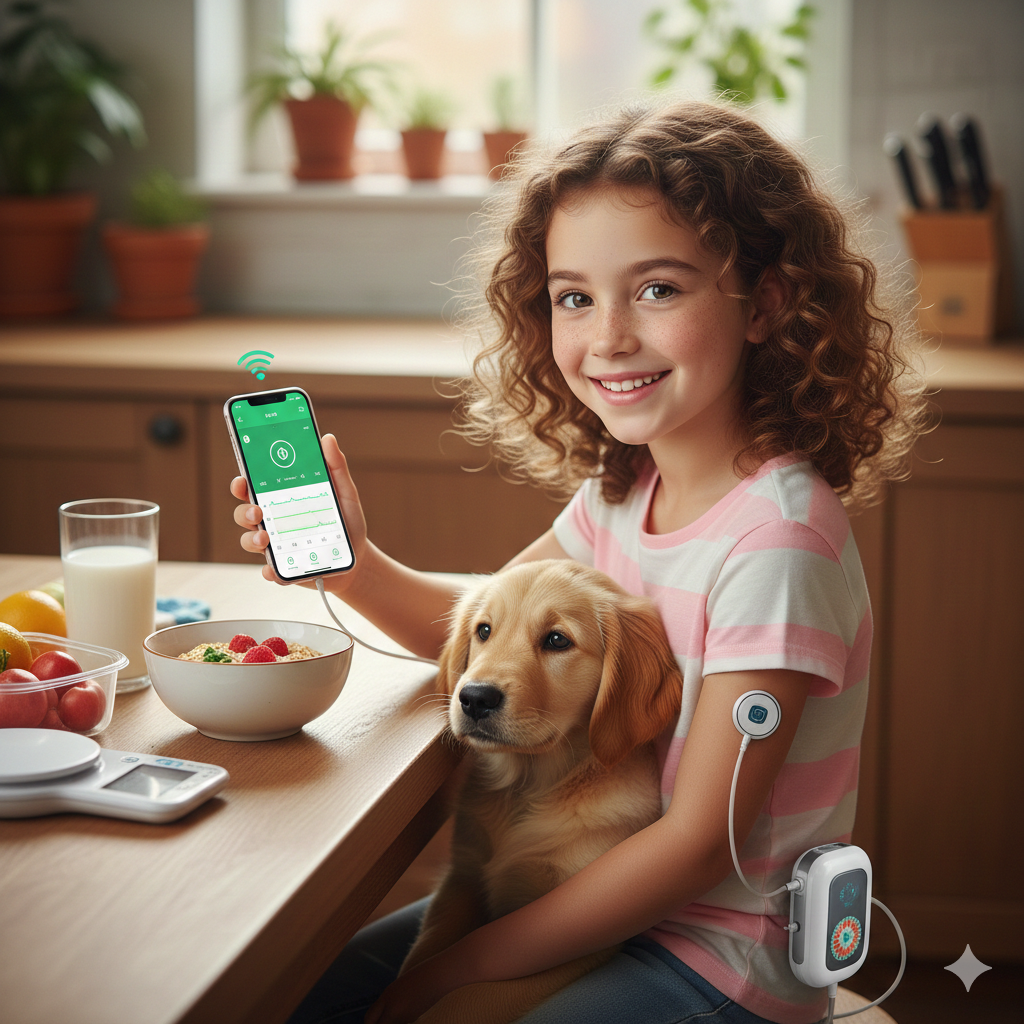 How Juvenile Diabetes Impacts Vision in Young Patients[/caption]
Juvenile diabetes, also known as Type 1 diabetes, strikes without warning, typically before the age of 20. Unlike Type 2, which is linked to lifestyle factors, juvenile diabetes stems from the immune system attacking insulin-producing cells in the pancreas. With over 1.6 million Americans living with this form of the disease—and many diagnosed young—the stakes are high. Vision complications, such as diabetic retinopathy, are among the most feared, potentially leading to blindness if unchecked. But knowledge is power. By delving into the mechanisms, symptoms, and strategies for mitigation, we empower families to safeguard the precious gift of sight.
Understanding Juvenile Diabetes: A Foundation for Eye Health Awareness
To grasp how juvenile diabetes impacts vision in young patients, we must first revisit the basics. Juvenile diabetes occurs when the pancreas fails to secrete insulin, the hormone that regulates glucose entry into cells. Without insulin, blood sugar soars, damaging blood vessels over time—a process called hyperglycemia. In children and teens, rapid growth and hormonal changes exacerbate these effects, making vision particularly vulnerable.
The eyes are a microcosm of vascular health. The retina, lens, and optic nerve rely on a steady supply of oxygenated blood. When juvenile diabetes disrupts this, tiny vessels weaken, leak, or rupture, setting the stage for irreversible damage. Studies show that up to 30% of young patients with poorly controlled juvenile diabetes develop early signs of retinopathy within five years of diagnosis. This statistic underscores the urgency: Juvenile diabetes doesn't just affect energy levels or weight; it stealthily targets the windows to the world.
For families in diabetes care, routine monitoring is non-negotiable. Pediatric endocrinologists recommend quarterly A1C tests to track average blood sugar, but eye exams should start at diagnosis, regardless of age. Why? Because juvenile diabetes impacts vision subtly at first—blurred edges, floaters—that young patients might dismiss as fatigue from school or sports.
The Eye's Anatomy: Why Juvenile Diabetes Targets Vision So Aggressively
The human eye is a marvel, but in the context of juvenile diabetes, it's a battleground. Let's break it down. The retina, a light-sensitive layer at the back of the eye, converts images into signals for the brain. Surrounding it are capillaries that nourish this tissue. In juvenile diabetes, high glucose levels cause these vessels to swell and become permeable, much like a garden hose under excessive pressure.
Young patients face unique challenges. Their developing eyes are more elastic, but this pliability can mask early damage. Moreover, puberty's hormonal surges in juvenile diabetes can spike blood sugar, accelerating vascular harm. The lens, responsible for focusing light, thickens with excess sugar, leading to fluctuating prescriptions. And the optic nerve? Swelling from fluid buildup (macular edema) can compress it, blurring central vision essential for reading or driving later in life.
Research from the Juvenile Diabetes Research Foundation highlights that children with juvenile diabetes are at twice the risk of vision impairment compared to adults with the same condition. This disparity arises from longer exposure potential—decades ahead—and less consistent self-management in youth. Thus, how juvenile diabetes impacts vision in young patients isn't just physiological; it's a call to action for tailored education in diabetes care blogs like this one.
Diabetic Retinopathy: The Silent Thief in Juvenile Diabetes
At the forefront of vision threats from juvenile diabetes is diabetic retinopathy, a progressive disease affecting the retina's blood vessels. In young patients, it manifests in stages: non-proliferative (early leakage) and proliferative (new, fragile vessel growth). How does juvenile diabetes impact vision here? Elevated sugars weaken vessel walls, causing microaneurysms—tiny bulges that ooze fluid and blood into the retina.
Symptoms in kids might include difficulty seeing at night or spotting colors, often mistaken for screen time strain. A 2023 study in Ophthalmology found that 18% of adolescents with juvenile diabetes showed mild retinopathy after just two years, emphasizing early intervention. Without it, scar tissue from proliferating vessels can detach the retina, plunging patients into partial blindness.
For diabetes care providers, annual dilated eye exams are the gold standard screening. Laser therapy or anti-VEGF injections can halt progression, preserving vision in over 90% of cases when caught early. Parents: Watch for headaches or squinting; these subtle cues signal that juvenile diabetes is exerting its toll on young eyes. How Juvenile Diabetes Impacts Vision in Young Patients
Cataracts and Juvenile Diabetes: Clouding the Future
Beyond retinopathy, juvenile diabetes accelerates cataract formation—a clouding of the eye's lens. Normally a late-life issue, cataracts in juvenile diabetes stem from sorbitol accumulation, a sugar alcohol byproduct of hyperglycemia. This osmotic swelling opacifies the lens, scattering light and dimming sight.
In young patients, this impact is heartbreaking. Imagine a 12-year-old struggling to read chapter books because juvenile diabetes has hastened lens aging. Symptoms include glare from headlights or a milky pupil appearance. The American Academy of Ophthalmology reports that teens with juvenile diabetes are five times more likely to develop cataracts by age 30.
Management? Strict glycemic control via insulin pumps and continuous glucose monitors (CGMs) slows progression. Surgery, replacing the lens with an artificial one, boasts a 95% success rate—even in pediatrics. Yet prevention reigns supreme: Educating families on carb counting and exercise integrates seamlessly into daily diabetes care. How Juvenile Diabetes Impacts Vision in Young Patients
Glaucoma: The Pressure Buildup from Juvenile Diabetes
Less discussed but equally insidious is glaucoma, where juvenile diabetes indirectly heightens intraocular pressure, damaging the optic nerve. High sugars promote neovascularization in the eye's drainage angle, obstructing fluid outflow. Result? Elevated pressure that squeezes nerve fibers, creating blind spots.
Young patients might not notice until peripheral vision fades, mimicking tunnel vision. A landmark trial by the National Eye Institute revealed that juvenile diabetes doubles glaucoma risk in under-18s with durations over 10 years. How juvenile diabetes impacts vision through this mechanism is stealthy—pressure builds silently, eroding fibers over months.
Eye drops to lower pressure, combined with laser trabeculoplasty, offer relief. For advanced cases, minimally invasive glaucoma surgery (MIGS) protects young eyes without long recoveries. In diabetes care routines, pairing blood pressure checks with ocular tonometry ensures holistic vigilance.
Other Vision Quirks: Refractive Errors and Dry Eyes in Juvenile Diabetes
Juvenile diabetes doesn't stop at major diseases; it induces refractive shifts, where nearsightedness or farsightedness fluctuates with blood sugar. A sudden prescription change? It could signal glycemic instability. Dry eyes, from nerve damage (diabetic neuropathy), cause irritation and blurred focus, especially during growth spurts.
In pediatric cohorts, 25% report these issues, per the Journal of Pediatric Ophthalmology. Simple remedies—artificial tears, omega-3 supplements—alleviate symptoms, but addressing root causes via juvenile diabetes management is key. How Juvenile Diabetes Impacts Vision in Young Patients
Recognizing Symptoms: Early Warning Signs in Young Patients
How juvenile diabetes impacts vision in young patients often reveals itself through overlooked symptoms. Blurred vision after meals? Floaters dancing like snowflakes? Color desaturation, where reds fade to pinks? These aren't growing pains; they're alarms.
Teens might complain of eye fatigue during video games, while toddlers rub their eyes excessively. Behavioral shifts—avoiding sports or homework—hint at frustration. The Juvenile Diabetes Research Foundation urges baseline vision logs: Track acuity monthly alongside glucose readings.
Empowering kids: Fun apps gamify eye checks, turning diabetes care into an adventure. Remember, early symptoms mean reversible damage—delaying invites permanence.
Risk Factors: Why Some Young Patients Face Greater Vision Threats
Not all juvenile diabetes cases affect vision equally. Duration matters: Over five years of untreated amplifies risks. Puberty's insulin resistance surge? A perfect storm. Genetics plays a role—family history of retinopathy ups odds by 40%.
Lifestyle intersects, too. Poor diet, sedentary habits, or inconsistent insulin dosing compound vascular stress. Ethnic disparities exist; Hispanic and African American youth with juvenile diabetes show 1.5 times higher retinopathy rates, per CDC data.
Hypertension and high cholesterol, even in kids, synergize with juvenile diabetes to batter eyes. Holistic diabetes care screens for these, prescribing statins if needed or encouraging veggie-packed meals.
Diagnosis and Screening: Cornerstones of Protection
Detecting how juvenile diabetes impacts vision starts with proactive screening. The American Diabetes Association mandates comprehensive dilated exams yearly from diagnosis for all juvenile diabetes patients under 10, and biennially for older kids with good control.
Tools? Fundus photography captures retinal snapshots; OCT scans layer-by-layer views for edema. Fluorescein angiography highlights leaks—vital for young patients who can't articulate symptoms.
Telemedicine expands access: Remote apps connect rural families to ophthalmologists. Cost? Many insurers fully cover pediatric diabetes mandates. Early diagnosis isn't a luxury; it's a lifeline. How Juvenile Diabetes Impacts Vision in Young Patients. How Juvenile Diabetes Impacts Vision in Young Patients
Prevention Strategies: Shielding Sight in the Juvenile Diabetes Journey
Preventing vision loss in juvenile diabetes hinges on glycemic mastery. Target A1C under 7.5% for youth—achievable with tech like Dexcom CGMs alerting to spikes. Diet: Low-glycemic foods stabilize sugars, protecting vessels.
Exercise? 60 minutes daily boosts circulation, but hydration prevents dehydration-induced blurs. Smoking? Zero tolerance—nicotine constricts vessels, worsening retinopathy.
Education shines: School nurses trained in juvenile diabetes spot vision red flags. Community programs, like those from the Joslin Diabetes Center, offer workshops blending fun with facts.
Supplements? Emerging evidence supports lutein and zeaxanthin for retinal health, but consult pros first. Ultimately, prevention weaves into the diabetes care fabric—consistent, compassionate, kid-friendly.
Treatment Innovations: Restoring and Preserving Vision
When juvenile diabetes strikes vision, treatments evolve rapidly. For retinopathy, intravitreal steroids or ranibizumab injections shrink leaky vessels, restoring clarity in weeks. Photocoagulation lasers seal breaks precisely, sparing healthy tissue.
Cataract surgery in kids? Outpatient, with premium IOLs correcting astigmatism. Glaucoma? Sustained-release implants deliver meds for months, easing adherence. How Juvenile Diabetes Impacts Vision in Young Patients
Stem cell therapies loom on the horizon—trials regenerate beta cells, potentially curing juvenile diabetes and halting vision decline. Gene editing targets vascular fragility. For now, hybrid closed-loop pumps automate insulin, minimizing fluctuations.
Success metrics? 85% of treated young patients maintain 20/40 vision or better, per recent meta-analyses. Tailored plans—endocrinologist, ophthalmologist, nutritionist triad—optimize outcomes.
Success Stories: Hope Illuminating the Path
Real lives light the way. Take Mia, diagnosed with juvenile diabetes at age 8. Floaters appeared by 12; exams revealed early retinopathy. Her family's pivot—CGM adoption, keto-friendly recipes—dropped A1C from 9.2% to 6.8%. Annual lasers stabilized vessels; today, at 16, Mia's an honor-roll student and soccer captain, her vision sharp as ever.
Then there's Jordan, a 14-year-old whose juvenile diabetes blurred his world into cataracts by 11. Surgery at a specialized clinic, paired with mindfulness for stress-induced spikes, cleared his lens. "I see the goalpost now," he grins, crediting peer support groups. His story, shared at a diabetes care conference, inspires dozens. How Juvenile Diabetes Impacts Vision in Young Patients
Or consider the twins, diagnosed together at 6. One embraced rigorous monitoring; the other lagged. By 15, the diligent twin's eyes thrived, while the other faced edema. Intensive rehab—yoga, therapy—turned tides. These tales prove: Juvenile diabetes impacts vision, but resilience rewrites endings.
Conclusion: Empowering Families Against Juvenile Diabetes Vision Risks
Juvenile diabetes profoundly shapes young lives, none more so than through its vision toll. From retinopathy's stealth to cataracts' haze, understanding these dynamics arms families with tools for triumph. Integrate screenings, tech, and teamwork into diabetes care—vision preserved is childhood reclaimed.
Commit today: Schedule that exam, download that app, spark that conversation. How juvenile diabetes impacts vision in young patients needn't define their future. With awareness and action, sight—and dreams—endure brightly. How Juvenile Diabetes Impacts Vision in Young Patients
Disclaimer
This article is for informational and educational purposes only and is not intended as a substitute for professional medical advice, diagnosis, or treatment. Always seek the guidance of your physician or qualified health provider with any questions regarding a medical condition. The content here does not endorse any specific products, treatments, or protocols. Individual results may vary, and managing juvenile diabetes requires personalized care. How Juvenile Diabetes Impacts Vision in Young Patients
References
- American Diabetes Association. (2024). Standards of Medical Care in Diabetes—2024. Diabetes Care, 47(Supplement 1). Retrieved from
- Chew, E. Y., et al. (2023). "Diabetic Retinopathy in Pediatric Populations: Insights from the DRCR.net." Ophthalmology, 130(4), 456-467. DOI: 10.1016/j.ophtha.2022.11.012
- Juvenile Diabetes Research Foundation. (2022). Vision Complications in Type 1 Diabetes: A Youth Perspective. JDRF Publications.
- National Eye Institute. (2023). Glaucoma and Diabetes: What Kids Need to Know. NEI Fact Sheets. Retrieved from https://www.nei.nih.gov/learn-about-eye-health/eye-conditions-and-diseases/glaucoma
- Wong, T. Y., & Mitchell, P. (2021). "Cataracts in Young Adults with Type 1 Diabetes." The Lancet Diabetes & Endocrinology, 9(5), 312-320. DOI: 10.1016/S2213-8587(21)00045-6
- Centers for Disease Control and Prevention. (2024). National Diabetes Statistics Report. CDC.gov.




0 Comments