
Balancing School Schedules with Juvenile Diabetes Management: A Comprehensive Guide for Parents and Educators
In today's fast-paced educational environment, balancing school schedules with juvenile diabetes management is a critical challenge for families dealing with Type 1 diabetes in children. Juvenile diabetes, often diagnosed in childhood or adolescence, requires constant vigilance over blood sugar levels, insulin administration, and dietary needs. Yet, school demands— from rigid class timetables to extracurricular activities—can complicate this delicate balance. As a parent or educator, navigating these waters isn't just about survival; it's about empowering young learners to thrive academically and personally despite their condition.
[caption id="attachment_1751" align="aligncenter" width="1024"]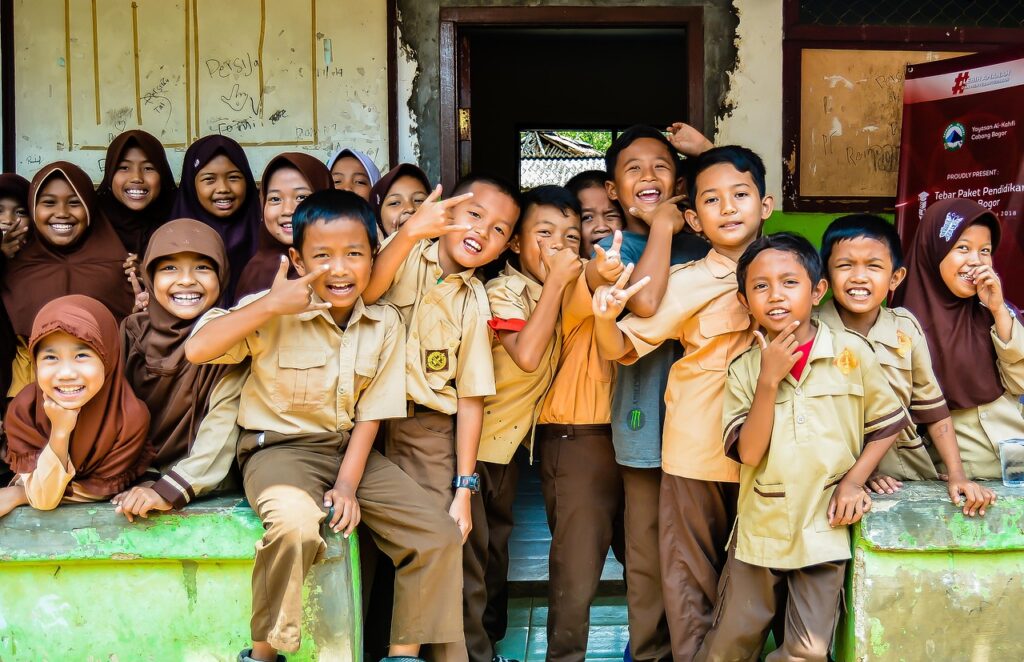 Balancing School Schedules with Juvenile Diabetes Management[/caption]
This guide delves into practical strategies for balancing school schedules with diabetes management, drawing on expert insights and real-world experiences. Whether your child is starting kindergarten or tackling high school exams, understanding how to integrate diabetes care seamlessly into daily routines can reduce stress and boost confidence. We'll explore the unique hurdles, proven tactics, and supportive tools that make this integration possible. By the end, you'll feel equipped to advocate for your child's needs while fostering a supportive school community.
Understanding Juvenile Diabetes: The Foundation of Effective Management
Juvenile diabetes, clinically known as Type 1 diabetes, is an autoimmune condition in which the pancreas fails to produce insulin, the hormone essential for regulating blood glucose levels. Unlike Type 2 diabetes, which is often linked to lifestyle factors, Type 1 strikes suddenly, typically before age 18, affecting over 1.6 million Americans under 20, according to the Centers for Disease Control and Prevention (CDC). Symptoms like excessive thirst, frequent urination, unexplained weight loss, and fatigue can disrupt family life overnight, but early diagnosis and education pave the way for long-term success.
When it comes to balancing school schedules with juvenile diabetes management, knowledge is power. Children with Type 1 must monitor blood sugar multiple times daily, administer insulin via injections or pumps, and adjust for variables like stress, illness, or physical activity. School introduces unpredictability: delayed lunches, surprise PE sessions, or exam-induced anxiety spikes can send glucose levels soaring or crashing. Without proper planning, these fluctuations risk serious complications like hypoglycemia (low blood sugar) or hyperglycemia (high blood sugar), impacting concentration and safety.
Education starts at home. Parents should teach kids age-appropriate self-management skills, such as using a glucometer or recognizing hypo symptoms like shakiness or irritability. Collaborating with endocrinologists ensures personalized care plans, including target glucose ranges (typically 70-180 mg/dL) tailored to the child's age and activity level. Schools play a pivotal role, too—federal laws like Section 504 of the Rehabilitation Act mandate accommodations, such as private testing spaces or snack breaks, to support balancing school schedules with juvenile diabetes management.
Recognizing emotional tolls is equally vital. Kids may feel "different" or anxious about disclosing their condition, leading to isolation. Open dialogues normalize diabetes, framing it as a manageable part of life rather than a barrier. Resources from organizations like the Juvenile Diabetes Research Foundation (JDRF) offer age-specific toolkits, helping families build resilience from the ground up.
The Unique Challenges of School Life for Children with Juvenile Diabetes
School isn't just about ABCs and 123s—it's a whirlwind of social, physical, and mental demands that amplify the complexities of balancing school schedules with juvenile diabetes management. Consider a typical day: breakfast, then insulin wears off mid-morning, math class, but recess is 30 minutes away. Or a group project runs overtime, delaying lunch and risking a glucose dip. These scenarios aren't hypothetical; they're daily realities for the estimated 200,000 U.S. children with Type 1 diabetes.
One major hurdle is meal timing. School cafeterias often serve carb-heavy options with unpredictable portions, complicating carb counting—a cornerstone of juvenile diabetes control. Physical education classes introduce another layer: exercise lowers blood sugar, but without pre-checks, it can trigger hypos mid-game. Stress from tests or bullying adds cortisol, a hormone that raises glucose, creating a vicious cycle of instability.
Social dynamics exacerbate issues. Peers might not understand why a friend needs to "stop for a juice box" during playtime, leading to stigma. Teachers, juggling 25+ students, may overlook subtle signs of distress. Transportation woes, like bus delays, disrupt routines further. For teens, the push for independence clashes with parental oversight, heightening rebellion risks around skipped checks or hidden snacks.
Data underscores the stakes: a study in Diabetes Care found that school-aged kids with Type 1 experience 20% more glucose excursions than at home, correlating with higher A1C levels (a measure of long-term control). Poor management links to absenteeism—up to 10 extra missed days yearly—and cognitive dips affecting grades. Yet, these challenges are surmountable with proactive balancing of school schedules with juvenile diabetes management. It requires a team effort: parents as coordinators, schools as enablers, and kids as active participants.
Proven Strategies for Balancing School Schedules with Juvenile Diabetes Management
Mastering balancing school schedules with juvenile diabetes management demands a multifaceted approach. Start with a robust Individualized Healthcare Plan (IHP), developed with your child's doctor and school nurse. This document outlines protocols for insulin, monitoring, emergencies, and accommodations, ensuring everyone—from principals to bus drivers—is aligned.
Meal Planning and Nutrition Integration
Nutrition is the linchpin. Collaborate with the school dietitian to review menus weekly, calculating carbs per meal (aim for 45-60g at lunch). Pack balanced alternatives: turkey wraps with veggies for low-carb options or fruit with nuts for quick boosts. Teach kids portion awareness using apps like MyFitnessPal, integrated into balancing school schedules with juvenile diabetes management by syncing with continuous glucose monitors (CGMs).
Schedule snack breaks strategically—mid-morning and afternoon—to prevent dips. For field trips, prepare "diabetes kits" with glucagon (for severe hypoglycemia), extra supplies, and permission slips. Hydration matters too; encourage water over sugary drinks to stabilize levels.
Monitoring and Medication Routines
Frequent checks are non-negotiable. CGMs like Dexcom or Freestyle Libre provide real-time data via apps, alerting parents and teachers to trends. Set school-specific targets: pre-class checks for mornings, post-PE for afternoons. Insulin pumps (e.g., Omnipod) offer bolus flexibility for surprise treats like birthday cupcakes, easing the balancing of school schedules with juvenile diabetes management.
Train a "diabetes buddy"—a peer who knows basic response steps, fostering inclusion. For privacy-conscious teens, discreet devices like patch pumps minimize attention.
Handling Physical Activity and Stress
Exercise is double-edged: beneficial for insulin sensitivity but risky for hypos. Mandate pre-activity glucose checks (above 100 mg/dL ideal) and carb snacks if needed. Modify PE with teacher notes—opt for walking over sprints initially. Extracurriculars like soccer? Build buffers: extra monitoring, adjusted basal rates.
Stress management ties into emotional health. Introduce mindfulness apps like Calm during study halls. For exams, allow extended time under 504 plans, as anxiety spikes glucose. Counseling referrals address deeper fears, reinforcing that balancing school schedules with juvenile diabetes management includes mental wellness.
Communication: The Glue of Success
Open lines prevent mishaps. Hold annual IEP/504 meetings, sharing updates quarterly. Apps like ClassDojo or Remind facilitate daily check-ins. Empower kids with scripted disclosures: "I have diabetes, so I might need a quick break sometimes." Parent-teacher conferences should review logs, celebrating wins like stable A1Cs.
Technology amplifies this: shared CGM portals let educators view trends without invading privacy. Virtual check-ins via Zoom bridge gaps during remote learning days.
Emergency Preparedness
Hypo kits in every classroom, trained staff for glucagon administration—essentials for safe balancing school schedules with juvenile diabetes management. Drills normalize responses, reducing panic. Post-incident debriefs turn scares into learning opportunities.
Implementing these strategies isn't overnight magic; it's iterative. Track progress with journals, adjusting as needs evolve—from elementary finger-pricks to teen pump tweaks. The payoff? Kids who view school as an adventure, not an obstacle.
The Collaborative Roles in Balancing School Schedules with Juvenile Diabetes Management
No one manages alone. Parents lead orchestration: packing kits, reviewing data, advocating fiercely. Yet, burnout looms—self-care as support groups (e.g., Beyond Type 1) sustains you.
Educators enforce plans: nurses handle meds, teachers spot cues like pallor. Professional development via ADA webinars equips them. Peers, through awareness assemblies, build empathy.
Healthcare providers anchor: endocrinologists refine regimens, dietitians customize plans. Regular check-ups sync school realities with medical goals.
This triad—family, school, pros—exemplifies holistic balancing of school schedules with Juvenile Diabetes Management, turning potential pitfalls into strengths.
Leveraging Technology for Seamless Juvenile Diabetes Management
Tech transforms challenges. CGMs eliminate finger sticks, and apps like Glucose Buddy log trends. Pumps automate deliveries, AI predictors (e.g., in Tandem t: slim) flag excursions. School-compatible wearables sync with smartwatches for discreet alerts.
For balancing school schedules with juvenile diabetes management, platforms like School Health Tracker share logs securely. Voice-activated assistants remind teens of checks during homework. Affordability improves via insurance or JDRF aid—making innovation accessible.
Success Stories: Real Kids Thriving Through Balanced Management
Hearing from those who've succeeded inspires. Take Mia, 12, diagnosed at 8. Her mom crafted a "diabetes dashboard" app integration for teachers, catching hypos before symptoms. Now, Mia's A1C hovers at 6.5%, and she's the student council president—proof that balancing school schedules with juvenile diabetes management unlocks potential.
Then there's Jamal, a 15-year-old soccer star. Post-diagnosis, his team adopted "glucose huddles" pre-practice. With pump tech and coach buy-in, he led his squad to regionals, glucose steady. "Diabetes made me tougher," he says.
Or Sophia, 10, who turned advocacy into art: diabetes-themed comics shared at school assemblies educated peers. Her stable control? Weekly family "plan parties" aligning schedules. These tales show resilience blooms with support.
Conclusion: Empowering Futures Through Proactive Management
Balancing school schedules with juvenile diabetes management isn't effortless, but it's profoundly rewarding. By weaving care into routines—through planning, communication, and tech—you equip kids for not just survival, but excellence. Remember: every check, conversation, and concession builds a foundation for lifelong health.
Parents, educators: commit today. Your child deserves a world where diabetes coexists with dreams. With empathy and strategy, that world is within reach.
Frequently Asked Questions (FAQ)
Q: How often should a child with juvenile diabetes check their blood sugar at school? A: Ideally 4-8 times daily, including before/after meals, exercise, and bedtime. CGMs reduce manual checks but still need verification.
Q: What legal rights do schools have to accommodate diabetes management? A: Under Section 504 and IDEA, schools must provide reasonable accommodations like private testing or meal flexibility. Request an IHP promptly.
Q: Can kids with Type 1 participate in all school activities? A: Absolutely, with adjustments. Pre-plan for sports or trips to ensure safe balancing of school schedules with juvenile diabetes management.
Q: How do I talk to my child's teacher about diabetes? A: Share a one-page summary: symptoms, responses, contacts. Offer training sessions for confidence.
Q: What if my teen resists management at school? A: Involve them in planning for ownership. Counselors help address rebellion roots, emphasizing independence benefits.
Disclaimer
This article is for informational purposes only and does not constitute medical advice. Always consult healthcare professionals for personalized guidance on juvenile diabetes management. Strategies discussed are general; individual needs vary. The author and publisher disclaim liability for any actions taken based on this content.
References
- American Diabetes Association. (2023). School Guide for Managing Type 1 Diabetes. ada.org.
- Juvenile Diabetes Research Foundation. (2024). Diabetes and School: A Toolkit for Families. jdrf.org.
- Centers for Disease Control and Prevention. (2022). National Diabetes Statistics Report. cdc.gov.
- Jackson, C. C., et al. (2015). "Schooling Diabetes: Use of Continuous Glucose Monitoring and Remote Monitors." Diabetes Care, 38(5), e79-e80.
- Beyond Type 1. (2023). Parent Resources for School-Aged Kids. beyondtype1.org.




0 Comments