
Emotional Rollercoaster: Coping with a Juvenile Diabetes Diagnosis
Receiving a juvenile diabetes diagnosis can feel like stepping onto a wild ride you never asked for. It's a moment that changes everything for a child and their family. But with the right tools and support, families can learn to navigate this journey. In this article, we'll explore what a juvenile diabetes diagnosis means, the feelings it brings up, and simple ways to cope. We'll also look at resources to help along the way. Remember, you're not alone in this—many families have been through it and come out stronger.

Understanding Juvenile Diabetes
Juvenile diabetes, also known as type 1 diabetes, is a condition where the body's pancreas stops making insulin. Insulin is like a key that lets sugar from food enter cells for energy. Without it, sugar builds up in the blood, which can cause problems. This usually happens in kids and teens, but it can start at any age. Unlike type 2 diabetes, which is often linked to lifestyle, a juvenile diabetes diagnosis comes from the body's immune system attacking the pancreas by mistake.
Symptoms of juvenile diabetes often show up fast. Kids might feel very thirsty, need to pee a lot, lose weight without trying, or feel tired all the time. Sometimes, there's a fruity smell on their breath. If these signs appear, seeing a doctor right away is key. The juvenile diabetes diagnosis is made through blood tests that check sugar levels and other markers.
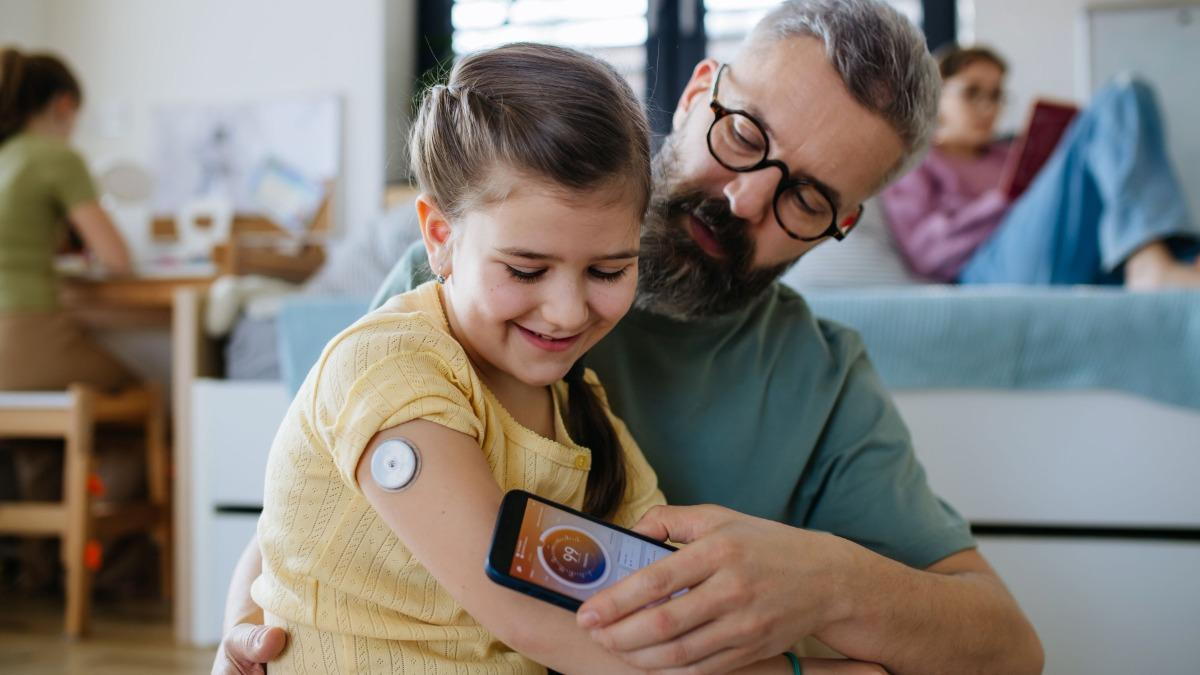
Once diagnosed, treatment starts with insulin shots or a pump, checking blood sugar often, eating balanced meals, and staying active. It's a lot to learn at first, but it becomes part of daily life. Advances like continuous glucose monitors make it easier to track levels without constant finger pricks. Families dealing with a juvenile diabetes diagnosis should work closely with doctors to create a plan that fits their child's needs.
Why does this happen? No one knows for sure, but genes and things like viruses might play a role. It's not caused by eating too much sugar or anything the child did wrong. That's important to remember when facing a juvenile diabetes diagnosis—it's not anyone's fault.
The Emotional Impact of a Juvenile Diabetes Diagnosis
A juvenile diabetes diagnosis isn't just about the body; it hits the heart too. Imagine hearing that your child needs shots every day for life. Or as a kid, learning you can't eat whatever you want without thinking about it. It's normal to feel a rush of emotions. Studies show that many families go through stages like shock, sadness, and even anger after a juvenile diabetes diagnosis.
For kids, the diagnosis can feel scary. They might worry about being different from friends or missing out on fun. Parents often feel overwhelmed, guilty, or anxious about keeping their child safe. This emotional rollercoaster is real, and it's okay to ride it. The key is finding ways to steady yourself.
Research highlights that emotional distress is common right after a juvenile diabetes diagnosis. Feelings like anxiety or depression can pop up, but with support, they often get better. Talking about these emotions helps. Ignoring them can make managing diabetes harder, as stress affects blood sugar levels.
In one study, parents reported high levels of worry about low blood sugar episodes, which can lead to more emotional strain. But learning coping skills can reduce this. A juvenile diabetes diagnosis brings changes, but it also opens doors to new strengths and connections.
Common Emotions Experienced by Children After a Juvenile Diabetes Diagnosis
Kids react in different ways to a juvenile diabetes diagnosis. Some feel shocked at first—"Why me?" They might deny it, hoping it's a mistake. Anger can follow, like frustration over pokes and checks. Sadness or fear about the future is common too. Younger kids might not understand fully, but they sense the change and feel upset.
As time goes on, some children feel lonely, thinking no one gets it. They might blame themselves or worry about what friends think. But many also feel proud when they learn to handle their care. Emotions can swing like a pendulum—one day fine, the next down.
It's vital to let kids express these feelings. Drawing pictures or talking to a counselor can help. A juvenile diabetes diagnosis doesn't define a child, but acknowledging emotions makes the ride smoother.

Common Emotions for Parents and Families
Parents often ride their own emotional wave after a juvenile diabetes diagnosis. Shock hits first—how could this happen? Then guilt: "Did I miss signs?" Anxiety about the future is big, like worrying over night-time lows or long-term health.
Depression can creep in, with feelings of sadness over lost "normalcy." Anger at the unfairness is normal too. Siblings might feel jealous of the attention or scared for their brother or sister. The whole family adjusts.
But there's hope. Many parents find strength they didn't know they had. Connecting with others helps ease the load. A juvenile diabetes diagnosis tests families, but it can bring them closer.
Coping Strategies for Children Facing a Juvenile Diabetes Diagnosis
Helping kids cope starts with simple steps. First, explain diabetes in easy words: "Your body needs help with sugar, so we use insulin." Use books or videos made for kids.
Encourage them to share feelings. Say, "It's okay to be mad about shots." Make management fun—like stickers for checks or choosing fun lancets. Build routines so it feels normal.
Teach independence bit by bit. Younger kids can pick injection spots; older ones count carbs. Join camps or groups where they meet others with diabetes. This reduces loneliness.
If emotions get tough, see a therapist who knows diabetes. Exercise and hobbies help too, as they boost mood and control sugar. With these strategies, kids can thrive after a juvenile diabetes diagnosis.

Coping Strategies for Parents and Caregivers
Parents, take care of yourselves first. Learn all you can about diabetes from trusted sources. This reduces fear. Join support groups—talking to others who've been through a juvenile diabetes diagnosis is gold.
Manage stress with walks, deep breaths, or hobbies. Share tasks with family to avoid burnout. Set small goals, like mastering one skill a week.
Watch for your own emotions. If anxiety or sadness lasts, seek help. Remember, it's okay to grieve the "before" life. Celebrate wins, like good check-ups. A positive mindset helps everyone.
For siblings, explain what's happening and include them. This keeps the family balanced. With time, coping gets easier after a juvenile diabetes diagnosis.

Building Support Systems and Finding Resources
Support is key after a juvenile diabetes diagnosis. Start with your doctor—they connect you to educators and dietitians. Organizations like the American Diabetes Association offer free guides and hotlines.
JDRF provides bags of hope with toys and info for new families. Local support groups meet in person or online. Apps track sugar and connect with communities.
Camps for kids with diabetes let them have fun while learning. Schools can help with plans for safe management. Financial aid exists for supplies if needed.
Online forums share tips from real families. Books like "Getting a Grip on Diabetes" help too. Building this network turns the rollercoaster into a team ride.
Long-Term Management and Maintaining a Positive Outlook
Over time, a juvenile diabetes diagnosis becomes part of life, not the whole story. Focus on balanced eating, activity, and checks. Tech like pumps and monitors makes it easier.
Encourage kids to dream big—many with diabetes excel in sports, arts, and more. Watch for burnout; take breaks when needed. Regular doctor visits catch issues early.
A positive outlook comes from seeing wins. Families say it teaches resilience and empathy. Research brings hope for better treatments. Living well is possible.
Share stories: One mom said, "At first, it was hard, but now we're stronger." Kids often say, "I can do anything." A juvenile diabetes diagnosis is a challenge, but not a limit.

Disclaimer
This article is for general information only and not medical advice. Always talk to a healthcare professional for personalized guidance on a juvenile diabetes diagnosis or management. The content here doesn't replace expert care. While we used reliable sources, health info changes, so check with your doctor.
FAQ
What is a juvenile diabetes diagnosis?
A juvenile diabetes diagnosis means a child has type 1 diabetes, where the body doesn't make insulin. It needs daily management with insulin, diet, and monitoring.
How can kids cope with a juvenile diabetes diagnosis?
Kids can cope by talking about feelings, learning fun ways to manage, and meeting others with diabetes. Parents and counselors help too.
What emotions are common after a juvenile diabetes diagnosis?
Common emotions include shock, anger, sadness, and anxiety for both kids and parents. These often improve with time and support.
Where can families find support after a juvenile diabetes diagnosis?
Look to groups like JDRF, ADA, local meetings, and online communities. Camps and apps are great too.
Can children live normally after a juvenile diabetes diagnosis?
Yes, with good management, kids can play sports, go to school, and enjoy life. Tech and education make it easier.
How do parents handle stress from a juvenile diabetes diagnosis?
Parents can learn about diabetes, join support groups, share tasks, and seek counseling if needed. Self-care is important.
What are signs leading to a juvenile diabetes diagnosis?
Signs include thirst, frequent peeing, weight loss, tiredness, and fruity breath. See a doctor if you notice these.
Is there a cure for juvenile diabetes?
No cure yet, but treatments help manage it well. Research is ongoing for better options.
How does a juvenile diabetes diagnosis affect school?
Schools can make plans for checks and insulin. Teachers learn to help, so kids stay safe and learn.
What resources help with costs after a juvenile diabetes diagnosis?
Some groups offer aid for supplies. Check with doctors or organizations like ADA for programs.
References
- KidsHealth - Diabetes: Dealing With Feelings
- Breakthrough T1D - Coping with your child's type 1 diabetes diagnosis
- PMC - Emotional and Psychological Needs of People with Diabetes
- Diabetes UK - Type 1 diabetes in children: How your child may react
- CHOP - Coping With Diabetes
- Beyond Type 1 - Mental Health + Type 1 Diabetes
- WA Health - EMOTIONAL ADJUSTMENT TO DIABETES
- PMC - Coping and Psychosocial Adjustment in Mothers
- Breakthrough T1D UK - Emotional wellbeing
- BMJ - Managing the psychosocial impact of type 1 diabetes
- KidsHealth - Diabetes: Dealing With Feelings (parents)
- CDC - 3 Ways to Help Manage Your Child's Type 1 Diabetes
- Breakthrough T1D - Parenting a Child With Type 1 Diabetes
- CHOP - General Coping and Adjustment
- PMC - Coping Skills Training for Parents
- Diabetes UK - Coping with caring for a child with type 1 diabetes
- Loma Linda University - Mom to mom: How to cope
- Breakthrough T1D - Coping with your child's type 1 diabetes diagnosis
- Mayo Clinic - Type 1 diabetes in children - Diagnosis and treatment
- Nationwide Children's - 10 Tips for Families New to Type 1 Diabetes
- Diabetes Canada - Adjusting to a child's diagnosis
- Journal of Pediatric Psychology - Parenting interventions
- MyT1DTeam - 7 Tips for Being a Type 1 Diabetes Mom or Dad
- Omnipod - Helping your child cope with a type 1 diabetes diagnosis
- Breakthrough T1D - Support for Children With Type 1 Diabetes
- ADA - Youth and Family Corner
- Family Voices - Diabetes info
- Diabetes Foundation - Support Groups for Children
- Children with Diabetes - Welcome
- CHOP - Help for families newly diagnosed
- Atlantic Health - Pediatric Diabetes Support Resources
- UW Health - Resources and handouts
- Children's Diabetes Foundation - T1D Support
- OSF HealthCare - Pediatric Diabetes Resource Center
- Children's Minnesota - Diabetes & Endocrinology Resources
- UC Davis - Additional Resources Pediatric Diabetes
- UCSF - RESOURCES FOR CHILDREN WITH TYPE 1 DIABETES
- Children's Nebraska - Diabetes Tools & Resources
- BCM - Type 1 Diabetes Resources
- Mayo Clinic - Type 1 diabetes in children - Symptoms and causes




0 Comments