
Body Image Issues in Teens with Juvenile Diabetes
Teen years are full of changes. Bodies grow quickly, hormones shift, and social media shows “perfect” looks every day. For teens living with Juvenile Diabetes (also called Type 1 Diabetes), these changes feel even bigger. Body Image Issues in Teens with Juvenile Diabetes often start when insulin treatment begins, and weight changes happen fast. Many teens feel their body is no longer “theirs” because of pumps, sensors, injection marks, or blood sugar ups and downs.
Body Image Issues in Teens with Juvenile Diabetes affect self-esteem, friendships, school life, and even how well they manage their diabetes. Studies show these concerns are very common. Girls often feel them more strongly, but boys face them too. The good news? With the right knowledge, support, and tools, teens can learn to accept and even love their bodies while staying healthy. This long guide explains everything in simple words so you and your family can understand and take positive steps.
What Is Juvenile Diabetes?
Juvenile Diabetes is an autoimmune condition where the body stops making insulin. Insulin is like a key that lets sugar (glucose) enter cells for energy. Without it, blood sugar rises dangerously high. Doctors usually diagnose it in children and teens, which is why it is called “juvenile.”
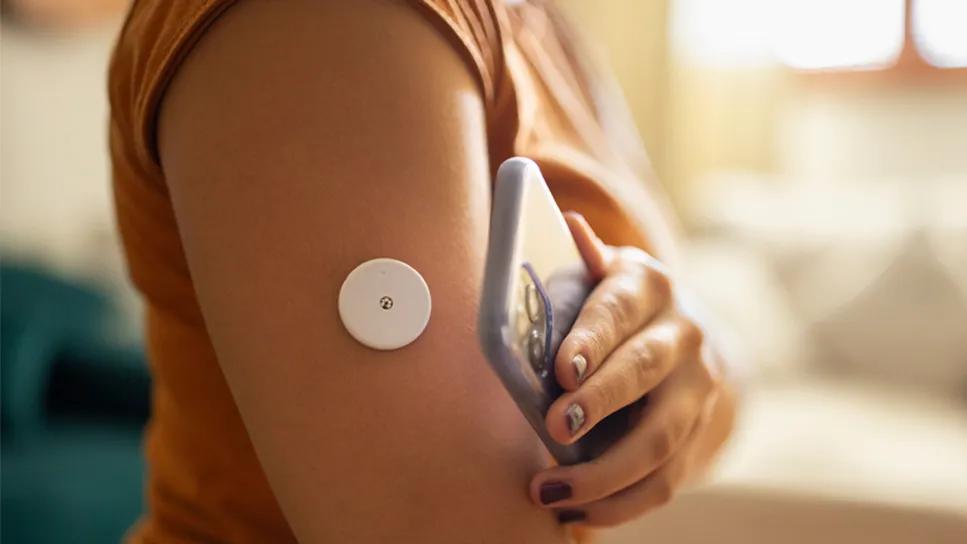
Teens with Juvenile Diabetes must check blood sugar many times a day, count carbohydrates, take insulin through injections or a pump, and watch for lows (hypoglycemia) or highs (hyperglycemia). Modern tools like continuous glucose monitors (CGMs) and insulin pumps make life easier, but these devices are often visible on the arm, stomach, or leg.
The diagnosis itself can feel shocking. Suddenly, a teen must think about food, exercise, and numbers all the time. This constant focus can make them very aware of their body. That awareness sometimes turns into worry about how they look. This is one reason Body Image Issues in Teens with Juvenile Diabetes develop so often.
After starting insulin, many teens gain weight quickly because their bodies finally use food properly and hold onto fluids they lost before diagnosis. This healthy weight gain can still feel upsetting when friends stay slim or social media praises thin bodies.
Understanding Body Image Issues in General: Teens' Body image is simply how they see and feel about their own body. During teenage years, bodies change fast because of puberty. Height, weight, skin, hair, and shape all shift. Many teens compare themselves to influencers, actors, or classmates. This comparison can lead to feeling “not good enough.”
Common signs include avoiding mirrors, refusing photos, wearing baggy clothes to hide the body, or trying extreme diets. For most teens, these feelings come and go. But when a chronic condition like Juvenile Diabetes is added, the feelings can stay longer and become stronger.
Why Body Image Issues in Teens with Juvenile Diabetes Are So Common. Body Image Issues in Teens with Juvenile Diabetes happen for several clear reasons. First, insulin treatment often causes weight gain. Before diagnosis, teens may lose weight without trying because their bodies cannot use sugar. Once insulin starts, weight returns—sometimes 5 to 15 pounds or more in a few months. This change surprises many teens and makes clothes fit differently.
Second, medical devices are visible. An insulin pump clipped to a belt or a CGM sensor on the arm can make a teen feel “different” at the pool, gym, or when wearing short sleeves. Some classmates ask questions or stare. Even kind questions can make a teen self-conscious.
Third, scars or bruises from injections or finger pricks remind teens daily that their body needs help. Fourth, the need to count carbs and plan meals can make food feel like an enemy instead of fuel. Some teens start skipping meals or taking less insulin to control weight—a dangerous practice called “diabulimia.”
Fifth, puberty and diabetes hormones mix in complicated ways. Blood sugars swing wildly, causing temporary swelling or acne that affects looks. Social media adds pressure because filtered photos never show pumps or sensors.
A 2022 systematic review by researcher Troncone and team looked at 51 studies and found that many teens with Type 1 Diabetes report higher body dissatisfaction than healthy peers. Another 2025 review by Garrido-Bueno reported that 46.5% of adolescents with T1DM have concerns about body image and weight. These numbers show Body Image Issues in Teens with Juvenile Diabetes are not rare—they are a real part of living with the condition for many.
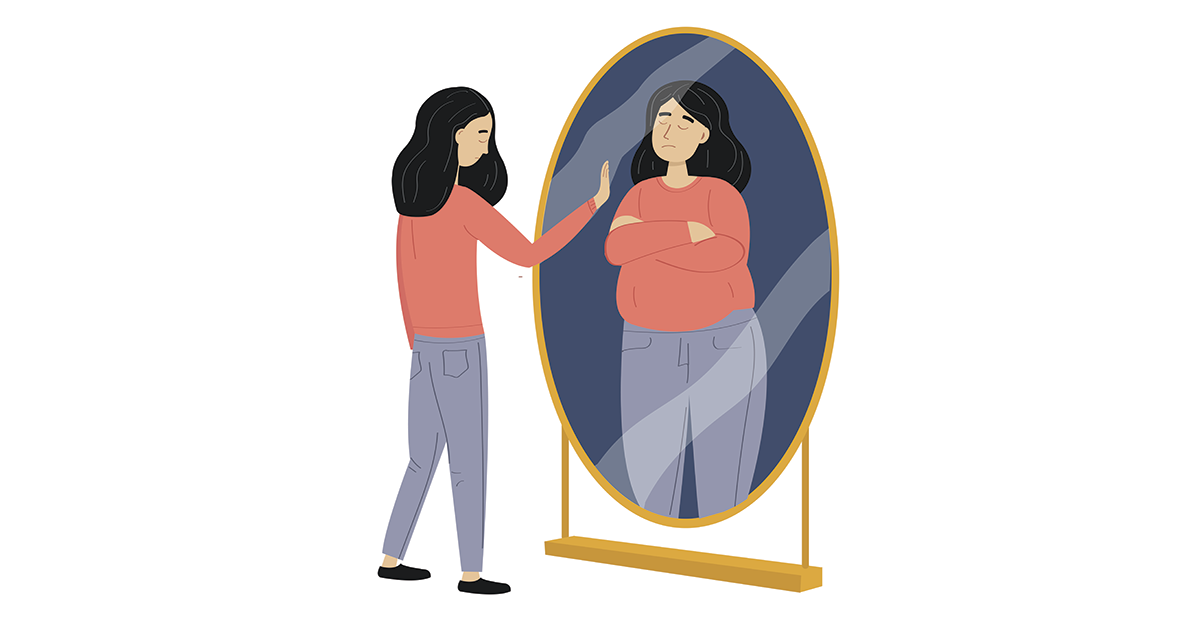
Signs That a Teen May Be Facing Body Image Issues in Teens with Juvenile Diabetes Watch for these common signs: • Avoiding school photos or family pictures • Refusing to wear clothes that show the pump or CGM site • Frequent negative comments like “I look fat” or “My body is broken” • Skipping meals or eating very little even when blood sugar is low • Taking less insulin than prescribed to lose weight • Spending too much time in front of the mirror checking “flaws” • Avoiding sports or swimming because of device visibility • Feeling anxious before doctor visits that include weighing • Comparing body to friends or celebrities constantly • Low mood, withdrawal from friends, or talk of “not wanting to live like this”
If several signs appear, Body Image Issues in Teens with Juvenile Diabetes may be present and need gentle conversation and professional support.
The Serious Impact of Body Image Issues in Teens with Juvenile Diabet.es Body Image Issues in Teens with Juvenile Diabetes do more than hurt feelings. They affect physical health, too. Teens who feel bad about their bodies may skip blood sugar checks or reduce insulin to stay thin. This leads to high HbA1c levels, meaning poorer long-term control. High blood sugar overthe years can damage the eyes, kidneys, nerves, and heart.
Mentally, these issues raise the risk of anxiety, depression, and eating disorders. Studies show girls with Type 1 Diabetes are 2.5 times more likely to develop disordered eating than girls without diabetes. Insulin omission for weight loss (diabulimia) is especially dangerous and can cause diabetic ketoacidosis, a life-threatening emergency.
Socially, teens may avoid parties, dates, or sleepovers because they worry about managing diabetes in front of others or showing devices. School performance can drop when worry takes up mental space. Sleep suffers when nighttime blood sugar worries mix with body shame.
Gender Differences in Body Image Issues in Teens with Juvenile Diabetes Research clearly shows that girls experience Body Image Issues in Teens with Juvenile Diabetes more intensely. One study found 10.3% of girls skipped insulin doses for weight control compared to only 1.4% of boys. Girls report a stronger desire for thinness and more dissatisfaction with shape and weight.
Boys also struggle, especially with muscle tone or feeling “weak” if blood sugars affect sports performance. However, society’s pressure on girls to look slim makes the issue sharper for them. Understanding these differences helps families and doctors give the right support to each teen.
Coping Strategies That Really Help with Body Image Issues in Teens with Juvenile Diabetes. The best news is that teens can learn healthy ways to feel better about their bodies. Here are proven strategies explained simply:
- Talk openly – Share feelings with trusted parents, friends, or a counselor. Keeping shame inside makes it grow.
- Focus on what your body can DO – Instead of how it looks, notice “My legs let me dance” or “My arms let me hug friends.” This shifts thinking from appearance to strength.
- Choose diabetes-friendly fashion – Many companies now make stylish covers for pumps and CGMs in fun colors. Tank tops with sensor sites can look sporty and confident.
- Practice positive affirmations daily – Say things like “My body is strong and capable” or “I am more than my diabetes.”

- Move for joy, not punishment – Exercise improves blood sugar and mood. Choose activities you love—dancing, biking, basketball—so it feels fun, not a chore, to change body shape.
- Limit social media – Follow accounts of athletes and influencers who live openly with Type 1 Diabetes. Unfollow anything that makes you feel bad.
- Work with the diabetes team – Ask doctors about newer pumps that are smaller or tubeless. Discuss weight concerns honestly so they can adjust insulin safely.
- Join peer support – Talking with other teens who have Juvenile Diabetes shows you are not alone. Many say this reduces shame dramatically.

- Try therapy – Cognitive Behavioral Therapy (CBT) helps change negative thoughts. Acceptance and Commitment Therapy (ACT) teaches living fully, even with difficult feelings.
- Celebrate small wins – Track days of good blood sugars or fun activities instead of weight on the scale.
Teens who use these strategies report higher self-esteem and better diabetes management. One confident teen shared: “Once I stopped hiding my pump, I started making friends who admired my strength.”
How Parents and Family Can Support Teens Facing Body Image Issues in Teens with Juvenile Diabetes.
Parents play a huge role. Avoid comments about weight or “looking healthy.” Instead, praise effort: “I’m proud of how you check your sugar before sports.”
Cook balanced family meals together so no one feels singled out. Let teens choose clothes that make them feel good, even if they cover devices. Attend doctor visits and ask how the team can help with body image.
If a teen skips insulin or shows eating changes, stay calm and seek help right away—do not blame or shame. Family counseling can strengthen everyone.
The Role of Schools and Friends Schools can help by allowing discreet blood sugar checks and having trained staff. Friends who learn basic diabetes facts become great supporters. Many teens say one understanding best friend made all the difference.
Success Stories That Inspire
Meet Sarah (name changed), 16, who hid her pump for two years and skipped insulin to stay thin. After joining a diabetes camp and talking with a counselor, she started wearing tank tops proudly. Her HbA1c dropped, energy rose, and she made the soccer team.
Or Alex, 15, who felt too skinny after diagnosis. Strength training and focusing on muscles helped him see his body as powerful. He now posts videos of basketball with his CGM visible to encourage others.
These real-life examples prove Body Image Issues in Teens with Juvenile Diabetes can improve with time and support.
Latest Research on Body Image Issues in Teens with Juvenile Diabetes
Recent studies confirm what many families see. The 2025 systematic review by Garrido-Bueno analyzed 25 studies and found body image concerns linked to disordered eating and higher HbA1c. Troncone’s 2022 review of 51 studies showed mixed results but overall higher dissatisfaction in many youth with Type 1 Diabetes.
A 2020 study in Italy found 37.7% of teens with diabetes had diabetes-specific eating problems. Longitudinal research shows body image problems can last years if not addressed. Newer studies explore how advanced technology (smaller pumps, better CGMs) and online peer groups reduce these issues.
Preventing Body Image Issues in Teens with Juvenile Diabetes
Prevention starts at diagnosis. Doctors and educators should talk about possible weight changes and body feelings openly. Teach that weight gain is normal and healthy. Introduce body-positive language early.
Encourage sports and hobbies that build confidence. Monitor screen time and promote diverse role models.
Conclusion:
With understanding, open talks, modern tools, support groups, and professional help, teens can move from shame to pride in their strong, resilient bodies.
Their bodies are capable of amazing things—running, laughing, learning, loving. By focusing on health, kindness, and what the body can achieve, teens build confidence that lasts a lifetime.
You are not alone. Reach out, speak up, and celebrate the unique person you are—diabetes and all. A brighter, more confident future is possible.
FAQs About Body Image Issues in Teens with Juvenile Diabetes
1. What exactly are Body Image Issues in Teens with Juvenile Diabetes? They are negative thoughts and feelings about appearance caused or worsened by diabetes management, weight changes, and visible devices.
2. Are Body Image Issues in Teens with Juvenile Diabetes more common in girls? Yes, research shows girls report them more often and more severely than boys.
3. Can skipping insulin help with weight and body image? No! Skipping insulin is extremely dangerous and can cause serious complications or death. It is never a safe way to control weight.
4. How can I help my teen who has Body Image Issues in Teens with Juvenile Diabetes? Listen without judgment, praise non-appearance qualities, seek professional help early, and model body-positive talk.
5. Do new diabetes technologies reduce Body Image Issues in Teens with Juvenile Diabetes? Yes, smaller, tubeless pumps and discreet CGMs help many teens feel less self-conscious.
6. When should we see a therapist for Body Image Issues in Teens with Juvenile Diabetes? If the teen avoids activities, talks negatively about their body often, or changes eating/insulin habits, see a specialist right away.
7. Are support groups helpful for Body Image Issues in Teens with Juvenile Diabetes? Very helpful! Talking with peers who understand reduces isolation and shame.
8. Can exercise improve Body Image Issues in Teens with Juvenile Diabetes? Yes, when done for enjoyment and strength rather than weight loss alone.
9. Is there a link between Body Image Issues in Teens with Juvenile Diabetes and eating disorders? Yes, there is a strong link. Early support prevents disordered eating from developing.
10. Where can families find more help? Contact your diabetes clinic, local mental health services, Breakthrough T1D (formerly JDRF), or online communities like Beyond Type 1 and Diabetes Sisters.
References
- Garrido-Bueno, M. et al. (2025). Effects of Body Image and Self-Concept on the Management of Type 1 Diabetes Mellitus in Adolescents and Young Adults: A Systematic Review. Healthcare. PMC12193616.
- Troncone, A. et al. (2022). Body Image Problems in Individuals with Type 1 Diabetes: A Review of the Literature. Adolescent Research Review.
- Corbett, T. & Smith, J. (2020). Disordered eating and body image in adolescents with type 1 diabetes. Diabetes Care for Children & Young People.
- Troncone, A. et al. (2018). Changes in body image and onset of disordered eating behaviors in youth with type 1 diabetes over a five-year longitudinal follow-up. Journal of Psychosomatic Research.
- Additional sources from PubMed, Diabetes Journals, and Type 1 support organizations (2020–2025).




0 Comments