
Keto Diet: Fat-Burning Science and Long-Term Sustainability
In today's fast-paced world, where health and wellness trends evolve rapidly, the Keto Diet has emerged as a powerhouse for those seeking effective weight management and improved metabolic health. The Keto Diet, short for ketogenic diet, revolves around a low-carbohydrate, high-fat eating pattern that shifts the body's primary energy source from carbs to fats. This metabolic switch, known as ketosis, is at the heart of the Keto Diet's fat-burning prowess. But beyond the initial hype, questions linger: Is the Keto Diet sustainable in the long run? Can it deliver lasting results without compromising overall health? This comprehensive guide dives deep into the science behind the Keto Diet's fat-burning mechanisms and explores its viability for long-term adoption. Whether you're a beginner curious about starting the Keto Diet or a seasoned follower looking to optimize your approach, we'll cover everything you need to know.
The Keto Diet isn't just another fad; it's rooted in decades of research and has been used clinically for conditions like epilepsy. However, its surge in popularity for weight loss has sparked debates about its efficacy and safety. By understanding the fat-burning science and addressing long-term sustainability, you can make an informed decision about incorporating the Keto Diet into your lifestyle.
What is the Keto Diet?
At its core, the Keto Diet is a dietary regimen that drastically reduces carbohydrate intake while emphasizing fats and moderate proteins. Typically, the Keto Diet macronutrient breakdown looks like this: 70-80% fats, 15-20% proteins, and only 5-10% carbohydrates. This composition forces the body to enter ketosis, where it burns stored fat for fuel instead of relying on glucose from carbs.
Foods commonly included in the Keto Diet are avocados, eggs, fatty fish like salmon, nuts, seeds, olive oil, and full-fat dairy. On the flip side, high-carb items such as grains, sugary foods, fruits (except berries in moderation), and starchy vegetables are minimized or avoided. The goal is to keep daily carb intake under 50 grams, often as low as 20-30 grams for stricter versions of the Keto Diet.
Originating in the 1920s as a treatment for epilepsy, the Keto Diet has evolved into a mainstream weight loss strategy. Modern variations include the standard Keto Diet, cyclical Keto Diet (with carb-loading days), and targeted Keto Diet (carbs around workouts). Regardless of the type, the Keto Diet's appeal lies in its potential for rapid fat loss and appetite suppression.

The Science Behind Fat-Burning in the Keto Diet
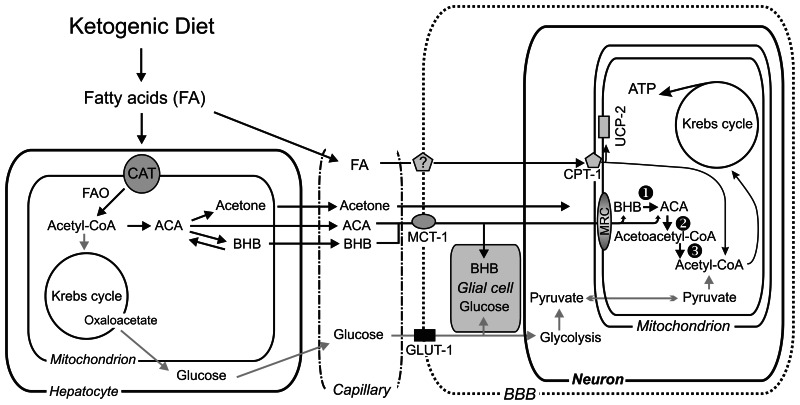
The fat-burning magic of the Keto Diet stems from its ability to induce ketosis, a natural metabolic state where the liver converts fats into ketones—molecules that serve as an alternative energy source for the brain and body. Normally, the body prefers glucose from carbohydrates for energy. However, when carbs are scarce on the Keto Diet, it depletes glycogen stores and turns to fat breakdown.
This process begins with lipolysis, where triglycerides in fat cells are broken down into glycerol and free fatty acids. These fatty acids travel to the liver, undergoing beta-oxidation to produce acetyl-CoA, which then forms ketones like acetoacetate, beta-hydroxybutyrate (BHB), and acetone. BHB, the most abundant ketone, powers cells efficiently, especially in the brain, which can't directly use fatty acids.
Research supports this fat-burning mechanism. For instance, studies show that the Keto Diet leads to greater fat oxidation compared to high-carb diets, resulting in significant weight loss. A Yale study highlighted how the Keto Diet tricks the body into a fasting-like state, producing ketones that reduce inflammation and improve metabolism. In ketosis, the body becomes a fat-burning machine, potentially burning up to 300-400 more calories from fat daily.
Moreover, the Keto Diet influences hormones like insulin. Low-carb intake keeps insulin levels stable, preventing fat storage and promoting fat release. Ghrelin (hunger hormone) decreases, while cholecystokinin (satiety hormone) increases, aiding in appetite control. This hormonal harmony is why many on the Keto Diet report feeling fuller on fewer calories.
However, entering ketosis isn't instantaneous—it typically takes 2-4 days of strict adherence to the Keto Diet. Factors like exercise, hydration, and individual metabolism can accelerate this. Once in ketosis, measurable ketone levels (0.5-3.0 mmol/L in blood) confirm the fat-burning state.
Benefits of the Keto Diet
The Keto Diet offers a plethora of benefits beyond fat burning. Weight loss is the most touted advantage, with meta-analyses indicating superior short-term results compared to low-fat diets. Participants often lose 2-5 pounds in the first week due to water weight from glycogen depletion, followed by steady fat loss.
Improved blood sugar control is another key benefit, making the Keto Diet popular for type 2 diabetes management. Minimizing carbs, it reduces blood glucose spikes and enhances insulin sensitivity. Heart health may also improve, with favorable changes in HDL cholesterol and triglycerides, though LDL can vary.
Mental clarity and energy stability are frequently reported on the Keto Diet. Ketones provide a steady brain fuel source, potentially alleviating brain fog and boosting focus. Some studies link the Keto Diet to reduced inflammation, which could benefit conditions like arthritis or acne.
Athletically, while initial adaptation might cause fatigue, long-term Keto Diet followers often experience enhanced endurance from fat adaptation. A review noted that the Keto Diet preserves muscle mass during weight loss, ideal for body composition goals.

Potential Risks and Side Effects of the Keto Diet
While the Keto Diet has merits, it's not without drawbacks. The "keto flu" is a common short-term side effect, including headaches, fatigue, irritability, and nausea as the body adjusts to ketosis. This usually resolves in a week with proper electrolyte management.
Nutrient deficiencies pose a risk due to restricted food groups. The Keto Diet can lack fiber, leading to constipation, and may be low in vitamins from fruits and veggies. Supplementation with potassium, magnesium, and fiber sources is often recommended.
Longer-term concerns include elevated cholesterol in some individuals and potential kidney strain from high protein. A recent mouse study linked a prolonged Keto Diet to fatty liver and impaired glucose tolerance. Bone health might suffer from acidity, and women could experience hormonal disruptions.
Sustainability issues arise, as the restrictive nature leads to high dropout rates. Experts caution that without careful planning, the Keto Diet might not be ideal for everyone, especially those with liver or pancreatic issues.
Long-Term Sustainability of the Keto Diet
The big question: Can the Keto Diet be maintained long-term? While effective in the short term, adherence drops significantly over time. Studies show retention as low as 38% at three years, citing monotony and social challenges.
A UT Health study in mice suggested continuous Keto Diet accumulates aged cells, affecting heart and kidney function, but intermittent versions mitigate this. Human data is mixed; some thrive on a lifelong Keto Diet, while others regain weight upon stopping.
For sustainability, flexibility is key. Cyclical Keto Diet allows carb refeeds, preventing burnout. Combining with exercise and monitoring health markers enhances viability. A Nature study indicated short bursts of the Keto Diet yield benefits without long-term risks.
Ultimately, the Keto Diet's long-term success depends on personalization. Those with strong support systems fare better, but for many, transitioning to a balanced low-carb approach post-Keto Diet maintains gains.

How to Start and Maintain a Keto Diet
Starting the Keto Diet requires preparation. Calculate macros using apps like MyFitnessPal—aim for 20-50g carbs daily. Stock up on Keto Diet staples: eggs, avocados, meats, and low-carb veggies.
Track ketones with urine strips or blood meters to confirm ketosis. Hydrate well and replenish electrolytes to combat keto flu. Meal prep helps; focus on simple recipes like bacon and eggs for breakfast.
For maintenance, vary meals to avoid boredom. Incorporate intermittent fasting or exercise to boost fat burning. Regular check-ins with a doctor ensure the Keto Diet aligns with your health.
Socially, plan for outings—choose Keto Diet-friendly options like salads with oil dressings. Mindful eating prevents overconsumption of fats, keeping calories in check.

Keto Diet Recipes and Meal Ideas
Diversifying meals is crucial for Keto Diet adherence. Here's a week's worth of ideas:
- Breakfast: Avocado Egg Boats – Halve an avocado, crack an egg in it, and bake at 425°F for 15 minutes. Top with cheese.
- Lunch: Grilled Chicken Salad – Mix greens, chicken, avocado, cucumber, and olive oil dressing. Under 10g carbs.
- Dinner: Zucchini Noodles with Pesto – Spiralize zucchini, toss with pesto, and add shrimp for protein.
- Snack: Cheese Crisps – Bake parmesan shreds until crispy.
- Dessert: Keto Cheesecake – Use almond flour crust, cream cheese filling with erythritol.
These keep the Keto Diet exciting and sustainable.

Success Stories on the Keto Diet
Many have transformed with the Keto Diet. Take Sarah, who lost 50 pounds in six months, crediting sustained energy. Or John, managing diabetes better after a year on the Keto Diet. These anecdotes, backed by studies showing reduced all-cause mortality potential, inspire, but individual results vary.
Conclusion
The Keto Diet stands out for its fat-burning science through ketosis and hormonal optimization. While benefits like weight loss and metabolic improvements are evident, long-term sustainability hinges on flexibility and monitoring. Whether you adopt the Keto Diet fully or intermittently, it can be a powerful tool when approached wisely. Listen to your body and consult professionals for personalized success.
Disclaimer
This article is for informational purposes only and does not constitute medical advice. The Keto Diet may not be suitable for everyone, especially those with pre-existing conditions. Consult a healthcare provider before starting the Keto Diet or any dietary change. Results vary, and long-term effects require professional oversight.
FAQs
What is the Keto Diet?
The Keto Diet is a low-carb, high-fat eating plan that promotes ketosis for fat burning.
How does the Keto Diet promote fat burning?
By reducing carbs, the Keto Diet forces the body to use fats for energy, producing ketones.
Is the Keto Diet safe long-term?
While effective in the short term, long-term Keto Diet sustainability varies; studies suggest potential risks like organ strain, so monitor health.
Can I lose weight on the Keto Diet?
Yes, the Keto Diet often leads to rapid weight loss through fat burning and appetite suppression.
What foods are allowed on the Keto Diet?
Avocados, eggs, meats, nuts, and low-carb veggies are staples in the Keto Diet.
What are the common side effects of the Keto Diet?
Keto flu, including fatigue and headaches, is common initially on the Keto Diet.
How do I know if I'm in ketosis on the Keto Diet?
Test ketone levels with strips or meters while following the Keto Diet.
Can vegetarians follow the Keto Diet?
Yes, with eggs, dairy, nuts, and tofu, a vegetarian Keto Diet is possible.
Does the Keto Diet help with diabetes?
The Keto Diet can improve blood sugar control, but consult a doctor.
How to make the Keto Diet sustainable?
Incorporate variety, cycles, and support for long-term Keto Diet success.
References
- The Ketogenic Diet: Clinical Applications, Evidence-based Indications, and Implementation - https://www.ncbi.nlm.nih.gov/books/NBK499830
- Diet Review: Ketogenic Diet for Weight Loss - https://nutritionsource.hsph.harvard.edu/healthy-weight/diet-reviews/ketogenic-diet
- The impact of a ketogenic diet on weight loss, metabolism, body composition, and quality of life - https://www.sciencedirect.com/science/article/pii/S2589004224025161
- Pros and Cons of the Keto Diet - https://www.nm.org/healthbeat/healthy-tips/nutrition/pros-and-cons-of-ketogenic-diet
- New Study in Mice Reveals Long-Term Metabolic Risks of Ketogenic Diet - https://healthcare.utah.edu/newsroom/news/2025/10/new-study-mice-reveals-long-term-metabolic-risks-of-ketogenic-diet
- Ketosis: Definition, Benefits & Side Effects - https://my.clevelandclinic.org/health/articles/24003-ketosis
- Impact of the ketogenic diet on body fat, muscle mass, and exercise performance: a review - https://pmc.ncbi.nlm.nih.gov/articles/PMC10844723
- Keto diet works best in small doses, Yale researchers find - https://news.yale.edu/2020/01/23/keto-diet-works-best-small-doses-yale-researchers-fin.d.
- What to know about the keto diet from experts at KU Medical Center who study it - https://www.kumc.edu/about/news/news-archive/keto-diet-research.html
- CCTS In Focus: Bionutrition -The Keto Diet - https://www.uab.edu/ccts/news-events/center-news/ccts-in-focus-bionutrition-the-keto-diet
- A long-term ketogenic diet accumulates aged cells in normal tissues - https://news.uthscsa.edu/a-long-term-ketogenic-diet-accumulates-aged-cells-in-normal-tissues-a-ut-health-san-antonio-led-study-shows
- Ketogenic Diet - StatPearls - NCBI Bookshelf - https://www.ncbi.nlm.nih.gov/books/NBK499830
- Should you try the keto diet? - https://www.health.harvard.edu/staying-healthy/should-you-try-the-keto-diet
- New Study in Mice Reveals Long-Term Metabolic Risks of Ketogenic Diet - https://healthcare.utah.edu/newsroom/news/2025/10/new-study-mice-reveals-long-term-metabolic-risks-of-ketogenic-diet
- Pros and Cons of the Keto Diet - https://www.nm.org/healthbeat/healthy-tips/nutrition/pros-and-cons-of-ketogenic-diet
- Skip the Keto Diet - Long-term Weight Loss - https://health.osu.edu/wellness/exercise-and-nutrition/you-may-want-to-skip-the-keto-diet
- Is the Keto Diet Safe? What are the Risks? - https://www.uchicagomedicine.org/forefront/health-and-wellness-articles/ketogenic-diet-what-are-the-risks
- Ketogenic Diets and Chronic Disease: Weighing the Benefits Against the Risks - https://www.frontiersin.org/journals/nutrition/articles/10.3389/fnut.2021.702802/full
- The ketogenic diet has the potential to decrease all-cause mortality without a concomitant increase in cardiovascular-related mortality - https://www.nature.com/articles/s41598-024-73384.-x.




0 Comments