
Fiber's Role in Weight Management
In today's fast-paced world, maintaining a healthy weight can feel like an uphill battle. With countless diets and trends promising quick results, it's easy to overlook the simple, natural elements that truly make a difference. One such powerhouse is dietary fiber, and understanding Fiber's Role in Weight Management is key to unlocking sustainable health benefits. From promoting a sense of fullness to nurturing gut health, fiber acts as a silent ally in your journey toward better weight control. This article delves deep into how fiber influences your body, backed by science, and provides practical advice to incorporate it into your daily routine.
Whether you're aiming to shed a few pounds or simply enhance your overall well-being, Fiber's Role in Weight Management cannot be overstated. It helps regulate appetite, supports digestive health, and even contributes to long-term metabolic balance. As we explore this topic, you'll discover why increasing your fiber intake could be the game-changer you've been searching for.

What is Dietary Fiber?
Before diving into Fiber's Role in Weight Management, it's essential to understand what fiber actually is. Dietary fiber refers to the indigestible parts of plant foods that pass through our digestive system relatively intact. Unlike proteins, fats, or carbohydrates that are broken down and absorbed, fiber provides bulk and aids in various bodily functions without adding many calories.
Fiber comes from sources like fruits, vegetables, whole grains, legumes, nuts, and seeds. It's classified as a carbohydrate, but because our bodies can't fully digest it, it doesn't contribute to blood sugar spikes in the same way simple carbs do. Instead, it plays a supportive role in digestion, helping to move food through the intestines and promoting regularity.
Historically, humans consumed far more fiber than we do today. Our ancestors' diets were rich in whole, unprocessed plants, leading to higher fiber intakes that supported robust health. In modern times, processed foods have displaced these fiber-rich options, contributing to widespread deficiencies. Recognizing Fiber's Role in Weight Management starts with appreciating its fundamental place in a balanced diet.
Fiber isn't just about preventing constipation; it's a multifaceted nutrient. It binds to water, influences hormone release, and interacts with gut bacteria in ways that extend far beyond the digestive tract. As we'll see, these properties are central to Fiber's Role in Weight Management.
Types of Fiber: Soluble vs. Insoluble
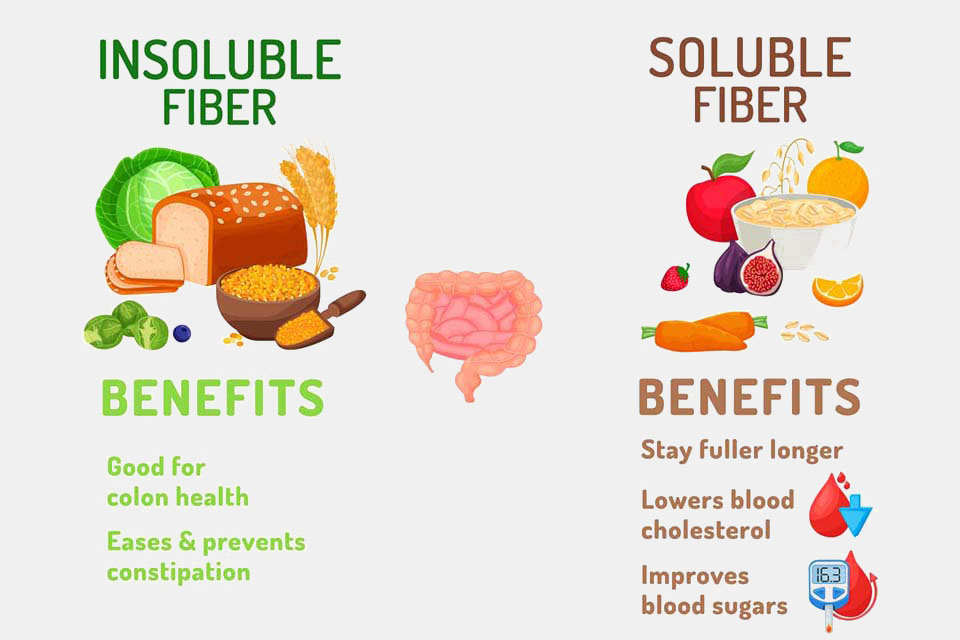
To fully grasp Fiber's Role in Weight Management, we must distinguish between the two main types: soluble and insoluble fiber. Each type functions differently in the body, yet both contribute to weight control.
Soluble fiber dissolves in water to form a gel-like substance. This type slows down digestion, helping you feel full longer and stabilizing blood sugar levels. Common sources include oats, apples, citrus fruits, beans, and psyllium. By forming this gel, soluble fiber traps nutrients and delays their absorption, which is crucial for managing hunger and preventing overeating—key aspects of Fiber's Role in Weight Management.
Insoluble fiber, on the other hand, does not dissolve in water. It adds bulk to stool and speeds up the passage of food through the digestive system. Found in whole wheat, nuts, cauliflower, and green beans, insoluble fiber promotes regularity and prevents constipation. While it doesn't directly influence satiety like soluble fiber, it supports overall gut health, which indirectly aids Fiber's Role in Weight Management by ensuring efficient nutrient processing and waste elimination.
Many foods contain both types, making a varied diet ideal. For instance, an apple provides soluble fiber in its flesh and insoluble fiber in its skin. Balancing these types maximizes Fiber's Role in Weight Management, as they work synergistically to enhance fullness and gut function.
How Fiber Promotes Fullness and Satiety
One of the most direct ways Fiber's Role in Weight Management manifests is through promoting fullness, or satiety. When you consume high-fiber foods, they expand in your stomach, creating a physical sensation of being full. This reduces the likelihood of snacking between meals or overeating at the next one.
Soluble fiber is particularly effective here. As it absorbs water and forms a viscous gel, it slows gastric emptying—the rate at which food leaves the stomach. This prolonged digestion time signals to your brain that you're satisfied, curbing appetite hormones like ghrelin while boosting ones like peptide YY (PYY) and glucagon-like peptide-1 (GLP-1). These hormones play a pivotal role in Fiber's Role in Weight Management by naturally regulating calorie intake.
Studies show that increasing fiber by just 14 grams per day can lead to a 10% reduction in energy intake and about 2 kg of weight loss over four months. Imagine enjoying a bowl of oatmeal or a salad packed with veggies—the fiber content not only fills you up but also prevents blood sugar crashes that trigger hunger.
Moreover, fiber-rich meals require more chewing, which gives your body time to register fullness signals. This mindful eating aspect further enhances Fiber's Role in Weight Management, making it easier to stick to portion control without feeling deprived.

Fiber's Impact on Gut Health
Beyond fullness, Fiber's Role in Weight Management extends to gut health, where it nurtures a thriving microbiome. The gut microbiome consists of trillions of bacteria that influence everything from digestion to immune function and even mood.
Prebiotic fibers, a subset of soluble fibers, serve as food for beneficial gut bacteria. When fermented in the colon, they produce short-chain fatty acids (SCFAs) like butyrate, acetate, and propionate. These SCFAs lower inflammation, improve insulin sensitivity, and enhance fat metabolism—all critical for Fiber's Role in Weight Management.
A healthy gut microbiome is linked to lower body weight. People with diverse, fiber-fed bacteria tend to have better weight control, as these microbes help extract fewer calories from food and promote hormones that signal fullness. Conversely, low-fiber diets can lead to dysbiosis, an imbalance that contributes to weight gain and metabolic issues.
Fiber also aids in detoxification by binding to toxins and excess hormones in the gut, preventing their reabsorption. This cleansing effect supports hormonal balance, which is vital for Fiber's Role in Weight Management, especially in conditions like insulin resistance.
Incorporating fiber-rich foods fosters a gut environment that actively works against weight gain, highlighting how Fiber's Role in Weight Management is deeply intertwined with microbial health.

Mechanisms Linking Fiber to Weight Loss
Delving deeper, Fiber's Role in Weight Management involves several physiological mechanisms. First, fiber reduces energy density in meals. High-fiber foods are often low in calories but high in volume, allowing you to eat more while consuming fewer calories overall.
Second, by slowing nutrient absorption, fiber prevents rapid spikes in blood sugar and insulin, which can lead to fat storage. Stable blood sugar means fewer cravings and better energy levels, supporting sustained weight loss efforts.
Third, the fermentation process in the gut not only produces SCFAs but also increases energy expenditure. Some studies suggest that fiber can boost metabolism slightly, burning more calories at rest.
Additionally, fiber influences appetite-regulating hormones. Increased PYY and GLP-1 from fiber intake mimic the effects of some weight-loss medications, naturally suppressing hunger.
These mechanisms collectively underscore Fiber's Role in Weight Management, making it a foundational element in any effective weight strategy.
Scientific Evidence Supporting Fiber's Role in Weight Management
The evidence for Fiber's Role in Weight Management is robust, drawn from numerous studies. A review of over 50 intervention trials found that adding 14 grams of fiber daily led to significant reductions in energy intake and body weight.
In one study, participants on high-fiber diets lost an average of 3.28 kg, with increased intakes of fruits, vegetables, and beans correlating strongly with success. Prospective cohort studies consistently show that higher fiber consumers weigh less over time.
Epidemiological data link fiber to lower risks of obesity-related diseases, with mechanisms including improved glycemia and reduced inflammation. For obese individuals, fiber supplementation enhances weight loss, particularly when combined with healthy eating patterns.
These findings affirm that Fiber's Role in Weight Management is not just theoretical but proven through rigorous research.
Best Sources of Dietary Fiber
To leverage Fiber's Role in Weight Management, focus on natural sources. Fruits like berries, apples, and pears offer soluble fiber with antioxidants. Vegetables such as broccoli, carrots, and Brussels sprouts provide both types.
Whole grains—oats, quinoa, brown rice—are excellent for sustained energy. Legumes like lentils, chickpeas, and black beans pack protein and fiber. Nuts and seeds, including almonds and chia, add healthy fats.
Aim for variety to get a mix of soluble and insoluble fibers, maximizing Fiber's Role in Weight Management.

Recommended Daily Intake of Fiber
Health authorities recommend 25-30 grams of fiber daily for adults, but most people fall short at around 15 grams. Women should aim for 25 grams, men for 38 grams, adjusting for age and activity.
Increasing intake gradually prevents discomfort. This level supports Fiber's Role in Weight Management by ensuring consistent satiety and gut benefits.
Track your intake using apps or food labels to meet these goals and harness Fiber's Role in Weight Management.
Practical Tips for Increasing Fiber Intake
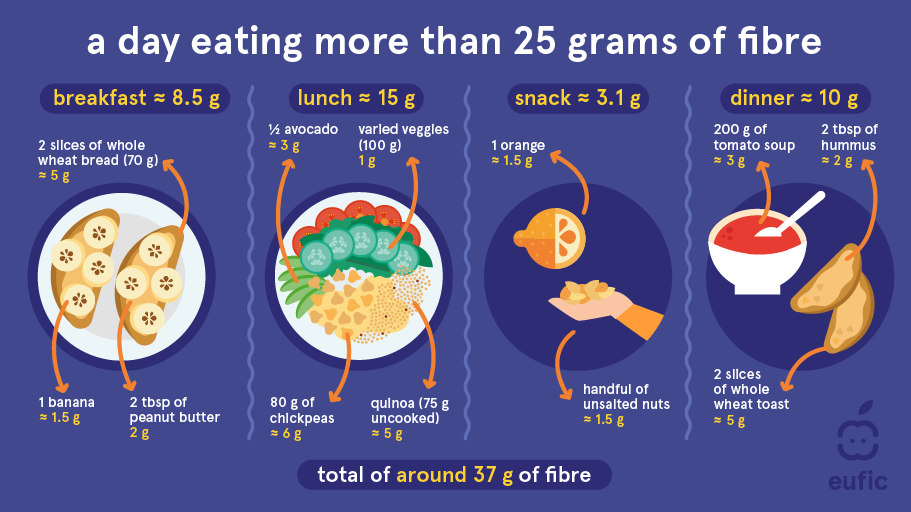
Boosting fiber doesn't have to be complicated. Start your day with oatmeal topped with fruits and nuts. Swap white bread for whole-grain versions.
Add beans to salads or soups for a fiber punch. Snack on veggies with hummus or fresh fruit. Blend smoothies with spinach, berries, and chia seeds.
Read labels to choose high-fiber options. These habits amplify Fiber's Role in Weight Management effortlessly.

Potential Side Effects and Precautions
While Fiber's Role in Weight Management is beneficial, sudden increases can cause bloating or gas. Start slow and drink plenty of water.
Those with digestive disorders should consult a doctor. Supplements are an option, but whole foods are preferable for comprehensive nutrition.
Balancing intake ensures you reap the rewards of Fiber's Role in Weight Management without drawbacks.
Success Stories and Real-Life Examples
Many have transformed their lives by embracing Fiber's Role in Weight Management. One woman lost 20 pounds in eight weeks on a fiber-focused plan, feeling more energetic.

Another study participant shed 3 kg by prioritizing fiber-rich foods like fruits and veggies. These stories illustrate the practical power of Fiber's Role in Weight Management.
Conclusion
In summary, Fiber's Role in Weight Management: From Gut Health to Fullness is profound and multifaceted. By promoting satiety, nurturing the gut microbiome, and regulating metabolism, fiber offers a natural, effective path to weight control. Incorporating more fiber through whole foods can lead to lasting changes without restrictive dieting.
Embrace Fiber's Role in Weight Management today—your body will thank you with improved health and vitality.
Disclaimer
This article is for informational purposes only and is not a substitute for professional medical advice. Consult a healthcare provider before making dietary changes, especially if you have underlying conditions. Results vary by individual.
FAQs
What is the primary way fiber helps with weight management?
Fiber promotes fullness by slowing digestion and influencing appetite hormones, reducing overall calorie intake.
How much fiber should I eat daily for weight loss?
Aim for 25-38 grams, depending on age and gender, to support Fiber's Role in Weight Management.
Can fiber supplements replace food sources?
Supplements help, but whole foods provide additional nutrients for optimal Fiber's Role in Weight Management.
Does fiber affect blood sugar levels?
Yes, soluble fiber slows sugar absorption, aiding in stable energy and Fiber's Role in Weight Management.
Are there risks to high fiber intake?
Excessive fiber can cause digestive issues; increase gradually to enjoy Fiber's Role in Weight Management safely.
How does gut health relate to fiber and weight?
Fiber feeds beneficial bacteria, producing compounds that enhance metabolism and support Fiber's Role in Weight Management.
References
- Fiber and Prebiotics: Mechanisms and Health Benefits - PMC
- Fiber Content Matters More Than Food Structure for Fiber's Benefits
- Dietary fiber: Essential for a healthy diet - Mayo Clinic
- Health benefits of dietary fiber | Nutrition Reviews
- Fiber - Physicians Committee for Responsible Medicine
- Benefits Of Fiber-Rich Foods For Weight Loss - Obesity Medicine Association
- Fiber Can Help You Lose Weight — but Only a Specific Type - Healthline
- The Role of Fiber in Energy Balance - Journal of Nutrition and Metabolism
- Dietary fiber in the prevention of obesity and obesity-related chronic diseases
- Role of fiber and healthy dietary patterns in body weight regulation and weight loss
- The role of dietary fibers in regulating appetite
- Dietary Fiber: Health Benefits, Food Sources, and Daily Needs
- Increased dietary fiber is associated with weight loss among Full Plate Living program participants
- Fiber and Prebiotics: Mechanisms and Health Benefits - MDPI




0 Comments