
North Indian Foods That Raise Blood Sugar
A Comprehensive Guide for Diabetics
[caption id="attachment_1519" align="aligncenter" width="1024"]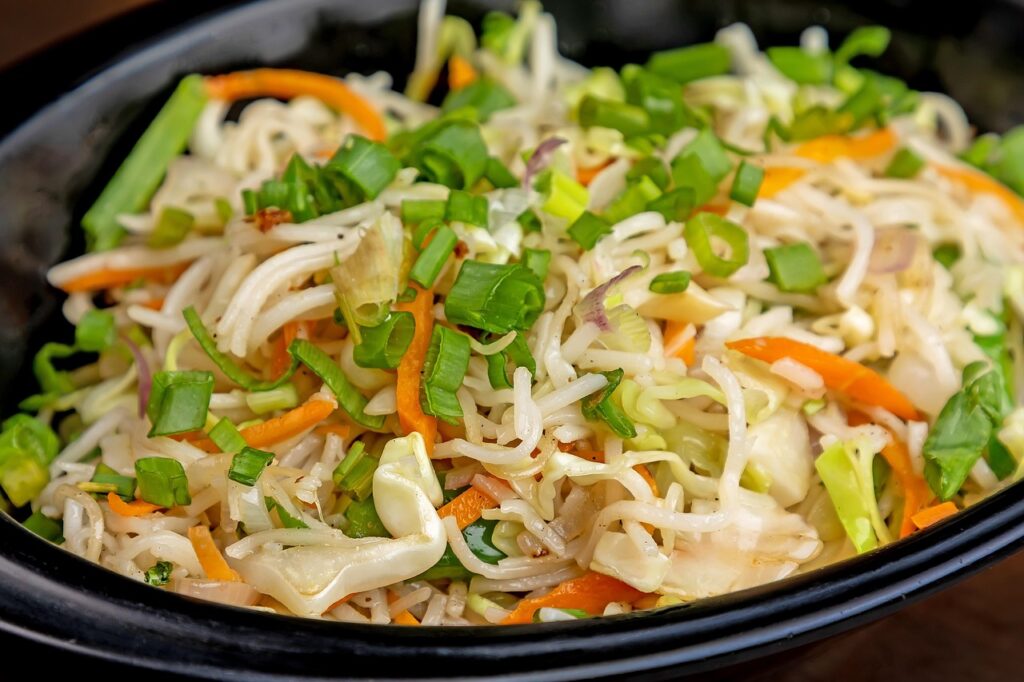 North Indian Foods That Raise Blood Sugar[/caption]
North Indian cuisine is a treasure trove of flavors, with its rich gravies, fluffy breads, and indulgent sweets captivating food lovers worldwide. From the buttery indulgence of naan to the crispy delight of samosas, these dishes define comfort food for many. However, for individuals managing diabetes or watching their blood sugar levels, some of these beloved staples can pose challenges. In this in-depth guide, we'll explore North Indian foods that raise blood sugar, shedding light on why they do so and how you can navigate them mindfully. Whether you're a fan of Punjabi curries or Delhi street eats, understanding the glycemic impact of these foods is key to enjoying them without compromising your health.
The rise in diabetes cases in India, often linked to dietary habits, makes this topic more relevant than ever. According to health experts, refined carbs and hidden sugars in traditional recipes can lead to rapid spikes in blood glucose. By identifying North Indian foods that raise blood sugar, we can make informed swaps and tweaks to keep meals delicious and diabetes-friendly. Let's dive into the science, the culprits, and practical tips to balance taste and wellness.
Understanding Blood Sugar and the Glycemic Index
Before pinpointing specific North Indian foods that raise blood sugar, it's essential to grasp the basics. Blood sugar, or glucose, is the body's primary energy source, derived mainly from carbohydrates. When you eat, carbs break down into glucose, entering the bloodstream and prompting insulin release to shuttle it into cells.
The Glycemic Index (GI) measures how quickly foods raise blood sugar on a scale of 0-100, with pure glucose at 100. High-GI foods (70+) cause sharp spikes, while low-GI (55 or below) offer steady energy. North Indian cuisine, heavy on wheat-based breads and starchy veggies, often features high-GI items that can overwhelm insulin response in diabetics.
Factors amplifying these spikes include:
- Refined flours (maida): Stripped of fiber, they digest rapidly.
- Added sugars: In sweets and beverages.
- Deep-frying: Adds unhealthy fats that hinder glucose control.
- Portion sizes: Generous servings common in North Indian thalis exacerbate effects.
Awareness empowers choice. For instance, while a plate of aloo paratha might send blood sugar soaring, a millet-based version keeps it stable. This guide spotlights North Indian foods that raise blood sugar to help you savor traditions safely.
Top North Indian Foods That Raise Blood Sugar: A Detailed Breakdown
North Indian meals often revolve around carb-heavy bases, making them prime suspects for blood sugar fluctuations. Below, we list 12 common offenders, complete with GI values, nutritional insights, and why they pack a punch. These North Indian foods that raise blood sugar are staples, but knowledge is your ally.
1. Naan Bread (GI: 71)
Naan, the tandoor-baked flatbread slathered in butter, is a restaurant favorite with butter chicken or paneer tikka masala. Made from maida (refined wheat flour), it lacks fiber, leading to quick carb absorption and a blood sugar surge within 30 minutes. A single naan (100g) delivers about 50g of carbs, enough for a notable spike in non-diabetics, let alone those with insulin resistance.
2. White Rice (GI: 79)
From jeera rice to biryani, white basmati is a North Indian essential. Its polished grains shed bran and germ, resulting in fast digestion. Studies show it raises post-meal glucose by 30-50% more than brown rice. In festive pulaos, the combo with ghee amplifies the effect.
3. Poori (GI: 75+)
These deep-fried, puffed breads pair perfectly with chole or aloo sabzi. The maida dough and frying oil create a high-carb, low-fiber bomb. One poori (30g) has 15g carbs, and a meal of 4-5 can mimic a candy bar's impact on blood sugar.
4. Aloo Paratha (GI: 70-80, due to potato filling)
Stuffed with mashed potatoes and ghee, aloo paratha is breakfast royalty in Punjab. Potatoes boast a GI of 78-92, turning this dish into a starch overload. The refined flour exterior ensures rapid breakdown, spiking levels post-meal.
5. Bhature (GI: 70+)
The fluffy partner to chole bhature, bhature's maida-yogurt base ferments slightly but still digests swiftly. Fried in oil adds calories (300+ per piece) that compound glycemic load.
6. Samosas (GI: 70+)
Crispy, potato-pea-filled appetizers, samosas are street food icons. The pastry's maida shell and starchy filling drive a quick glucose rush, especially when dipped in sugary chutneys.
7. Pakoras (GI: 70-75)
Onion or potato fritters in chickpea batter, deep-fried to golden perfection. While besan has a moderate GI, the veggies and frying tip it high, causing intermittent spikes during snack time.
8. Gulab Jamun (GI: 80+)
These syrup-soaked milk dumplings are dessert heaven but sugar nightmares. Each piece (50g) packs 25g of sugar, flooding the system like table sugar.
9. Jalebi (GI: 80+)
Spiral-fried batter drenched in sugar syrup, jalebis are Diwali delights. The refined flour and immersion in sweetness yield an immediate blood sugar rocket.
10. Halwa (GI: 75-85)
Semolina or carrot halwa, ghee-laden and sugar-sweet, uses high-GI sooji (semolina) that absorbs quickly. A small bowl rivals white bread's effect.
11. Sweet Lassi (GI: 70+)
Creamy yogurt drink with added sugar, lassi refreshes summers but spikes glucose via lactose and sweeteners. Opt for plain to avoid this trap.
12. Puffed Rice Snacks (GI: 90)
Murmura-based bhel or chivda, light yet deceptive. Puffed rice's processing removes fiber, making it a sneaky North Indian food that raises blood sugar during evening munchies.
These North Indian foods that raise blood sugar highlight the cuisine's carb-centric nature. But don't despair—moderation and swaps can preserve the joy.
Why Do These North Indian Foods Raise Blood Sugar So Quickly?
Delving deeper, the mechanism behind North Indian foods that raise blood sugar lies in their composition. Refined grains like maida in naan or poori have high glycemic loads (GL), factoring in portion size. A GL over 20 is high; many dishes exceed this.
Starchy vegetables like potatoes, ubiquitous in sabzis and parathas, convert to glucose faster than fibrous greens. Sweets are amplified via simple sugars, bypassing slow digestion.
Cultural context matters: North Indian hospitality favors generous portions, turning a moderate-GI item high-GL. Frying adds trans fats, impairing insulin sensitivity over time.
For diabetics, repeated spikes lead to fatigue, weight gain, and complications like neuropathy. Monitoring with a glucometer post-meal reveals patterns—expect 50-100 mg/dL rises from these foods.
Healthier Alternatives to North Indian Foods That Raise Blood Sugar
The good news? You don't have to bid farewell to flavors. Here are diabetes-friendly twists on North Indian foods that raise blood sugar, using low-GI ingredients.
Swap for Breads
- Naan/Poori/Bhature: Use whole wheat or jowar (sorghum) flour (GI: 50-55). Jowar naan stays soft and tandoor-ready. Bake instead of frying for lower fat.
- Aloo Paratha: Fill with cauliflower or paneer (GI: 15-30). Ragi (finger millet) dough adds fiber.
Rice Replacements
- White Rice: Brown basmati or quinoa (GI: 50). For biryani, mix with cauliflower rice to halve carbs.
Snack Saviors
- Samosas/Pakoras: Air-fry with besan and spinach (GI: 35). Besan lowers overall index.
- Puffed Rice: Roasted chickpeas or moong dal chaat for crunch without spikes.
Dessert Delights
- Gulab Jamun/Jalebi/Halwa: Sugar-free versions with stevia or almond flour. Carrot halwa with dates (GI: 42) satisfies sweet tooths.
- Sweet Lassi: Plain curd with cucumber or mint; add cinnamon for flavor.
Incorporate proteins like lentils or paneer in every meal to blunt spikes—dal makhani with millet roti is a winner.
Practical Tips for Enjoying North Indian Cuisine Without Spikes
Navigating North Indian foods that raise blood sugar requires a strategy. Start meals with salads or yogurt to slow carb absorption. Portion control is crucial: Limit bread to 1-2 pieces, rice to ½ cup.
Vinegar-based chutneys (like mint) lower meal GI by 20%. Walk 10 minutes post-meal to enhance insulin action.
For festivals, pre-plan: Offer low-GI mithai like coconut barfi. Apps tracking GI help customize thalis.
Consult a dietitian for personalized plans, especially if on meds. Hydration and sleep amplify control.
Success Stories: Real-Life Wins Against Blood Sugar Spikes
Hearing from others inspires. Here are three anonymized stories of triumph over North Indian foods that raise blood sugar.
Priya's Journey: From Paratha Lover to Balanced Eater
Priya, a 45-year-old Delhi teacher, battled type 2 diabetes with HbA1c at 8.5%. Her daily aloo parathas and gulab jamun crashes were culprits. Switching to methi parathas and stevia-sweetened kheer dropped her HbA1c to 6.2 in six months. "I still enjoy Punjabi feasts, just smarter," she shares. Weight loss of 12kg followed, boosting energy for school runs.
Raj's Festive Feats
Raj, 52, from Punjab, dreaded weddings—biryani and jalebis spiked his sugars to 250 mg/dL. Post-diagnosis, he adopted jowar rotis and grilled tikkas. During Diwali, his modified menu kept levels under 140. "Family noticed no difference in taste, and my doctor was thrilled with a steady 5.8 HbA1c." Exercise, like morning yoga, sealed his success.
Meera's Snack Makeover
A 38-year-old homemaker, Mee, curbed samosa cravings with baked besan cutlets. Her pre-diet fasting sugar was 150; now it's 95. "These tweaks let me host without guilt. Blood sugar stability improved my mood and sleep." Inspired by online forums, she lost 8kg, proving small changes yield big rewards.
These tales show North Indian foods that raise blood sugar needn't define your diet—adaptation does.
Frequently Asked Questions (FAQs)
1. Can I eat North Indian foods that raise blood sugar if I have diabetes?
Yes, in moderation. Pair with proteins/fibers and monitor portions to minimize spikes. Always consult your doctor.
2. Which is the worst North Indian food for blood sugar?
Sweets like gulab jamun top the list due to pure sugar content, but deep-fried breads like poori follow closely.
3. How quickly do these foods affect blood sugar?
High-GI items like naan or rice can raise levels in 15-30 minutes, peaking at 1 hour.
4. Are there low-GI North Indian desserts?
Absolutely—try almond phirni with jaggery alternatives or fruit-based kheer using low-GI fruits like apples.
5. How to calculate glycemic load for a thali?
Sum carbs per food, multiply by GI/100, then by portion factor. Tools like GI apps simplify this.
6. Do spices in North Indian food help blood sugar?
Yes! Turmeric and fenugreek lower GI; add them liberally to curries.
7. What's a sample low-spike North Indian meal?
Start with palak paneer salad, jowar roti with dal, and herbal tea. Keeps you full without surges.
Disclaimer
This article on North Indian foods that raise blood sugar is for informational purposes only and not a substitute for professional medical advice. Individual responses vary; consult a healthcare provider or registered dietitian before dietary changes, especially if managing diabetes or other conditions. xAI and the author assume no liability for health outcomes based on this content.
References
- In Diabetes. (n.d.). Glycemic index chart of Indian foods. Retrieved from
- Fitterfly. (2024). Glycemic Index and Glycemic Load Chart of Indian Foods.
- Redcliffe Labs. (n.d.). Glycemic Index Food Chart List of Low and High GI Indian Foods. Retrieved from https://redcliffelabs.com/myhealth/food-and-nutrition/glycemic-index-food-chart/ Wellthify. (2025). North Indian Foods: Balancing Taste and Blood Sugar Levels. Retrieved from https://wellthify.in/uncategorised/glycemic-index-of-north-indian-foods-whats-really-happening-on-your-plate/ [web:4, web:16]
- Sugar.Fit. (2022). Glycemic Index Chart of Indian Foods. Retrieved from https://www.sugarfit.com/blog/glycemic-index-of-indian-food/
- Suguna Clinic. (2025). Diabetes Diet for Indians: A Complete Guide. Retrieved from https://sugunaclinic.com/diabetes-diet-for-indians-a-complete-guide-to-managing-blood-sugar/ [web:6, web:13]
- Dr. Sumaiya. (2025). Foods That Spike Blood Glucose. Retrieved from https://drsumaiya.com/post/foods-that-spike-blood-glucose-what-to-avoid-for-better-health/
- Times of India. (2023). Common Indian Veggies That Spike Sugar. Retrieved from https://timesofindia.indiatimes.com/life-style/food-news/common-indian-veggies-that-can-secretly-spike-sugar-levels/articleshow/103580672.cms
- Ultrahuman Blog. (2022). Feast on Chole Puri Without Hyperglycemia. Retrieved from https://blog.ultrahuman.com/blog/feast-on-chole-puri-without-hyperglycemia-fears/
- Dr. Amita Bhasaha. (2024). Diabetes Diet Guide. Retrieved from https://www.dramitabhasaha.com/blood-sugar-control-steering-through-the-maze-of-diets-for-diabetes-management/ [web:11, web:27]
- Times of India. (2025). 6 Diabetic-Friendly Indian Swaps. Retrieved from https://timesofindia.indiatimes.com/life-style/food-news/6-diabetic-friendly-indian-swaps-for-refined-flour/articleshow/118592366.cms
- Everyday Health. (n.d.). Low-Glycemic Indian Foods. Retrieved from https://www.everydayhealth.com/diet-nutrition/low-glycemic-indian-foods/
- Fitterfly. (2021). Diabetes Reversal Story. Retrieved from https://www.fitterfly.com/blog/this-diabetes-reversal-story-will-surprise-you-she-didnt-have-to-give-up-on-pani-puri/




0 Comments