
Chips, Pastries & Samosas: The Diabetic Danger
List
In a country where street food sizzles on every corner and tea-time treats are a daily ritual, managing diabetes can feel like navigating a minefield of temptation. Imagine biting into a crispy samosa, the flaky pastry crumbling just right, or reaching for a handful of salty chips during a movie night—pure bliss, right? But for the millions living with diabetes in India, these seemingly harmless indulgences can wreak havoc on blood sugar levels, leading to spikes that derail health goals. As of 2025, India grapples with a staggering 89.8 million adults diagnosed with diabetes, making it the second-highest globally, with prevalence soaring to 10.5% among adults. This "diabetes capital of the world" epidemic is fueled not just by genetics and sedentary lifestyles but by our love for high-carb, fried, and sugary snacks like chips, pastries, and samosas—foods to avoid with diabetes that lurk in every pantry and party platter.
[caption id="attachment_1324" align="aligncenter" width="1024"]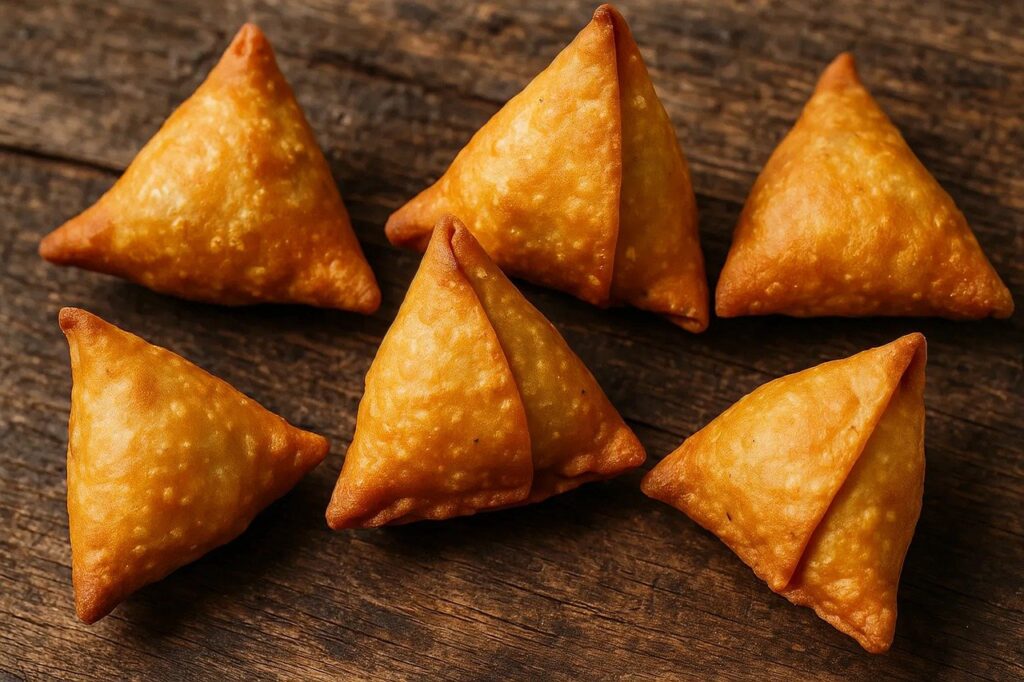 Chips, Pastries & Samosas: The Diabetic Danger List[/caption]
This comprehensive guide dives deep into the diabetic danger list, spotlighting these culprits and why they pose such a threat. We'll explore the science of blood sugar spikes, uncover hidden risks, share healthier alternatives, and draw inspiration from real success stories of those who've tamed their temptations. Whether you're newly diagnosed or a seasoned manager of type 2 diabetes, arming yourself with knowledge is your first step toward steadier glucose levels and a fuller life. Let's crunch the facts (minus the chips) and reclaim control over your plate.
Understanding Diabetes: A Quick Primer on the Silent Saboteur
Diabetes isn't just about sugar—it's a chronic condition where your body struggles to regulate blood glucose, the fuel derived from the foods we eat. In type 1 diabetes, the pancreas produces little to no insulin, the hormone that shuttles glucose into cells. Type 2, which affects over 90% of cases in India, involves insulin resistance, where cells ignore the hormone's signals, causing glucose to build up in the bloodstream. Prediabetes, a precursor affecting millions more, signals rising risks if unchecked.
Diet plays the starring role in this drama. Carbohydrates break down into glucose, flooding the blood and prompting insulin release. But not all carbs are created equal. Refined carbs and sugars cause rapid spikes, while fiber-rich whole foods offer a gentler rise. Fried foods add another layer of peril: advanced glycation end-products (AGEs) from high-heat cooking accelerate inflammation and insulin resistance. For diabetics, consistent high blood sugar (hyperglycemia) can damage nerves, kidneys, eyes, and hearts, contributing to India's projected 1241 disability-adjusted life years (DALYs) per 100,000 by 2031.
The glycemic index (GI) is your compass here—a scale from 0 to 100 measuring how quickly a food raises blood sugar. Low-GI foods (under 55) are allies; high-GI ones (over 70) are foes. Portion size matters too, via glycemic load (GL), which factors in serving amounts. Foods to avoid with diabetes often score high on both, turning a quick snack into a glucose rollercoaster.
Why focus on Indian favorites like chips, pastries, and samosas? These aren't just treats; they're cultural staples. A 2024 ICMR report highlighted how diets laden with fried items like samosas and chips are triggering India's diabetes surge, linking them to ultra-processed traps high in trans fats and empty calories. Awareness is key—knowledge empowers you to swap danger for delight without sacrificing flavor.
The Science of Spikes: How These Snacks Sabotage Your Blood Sugar
Before we dissect the danger list, let's geek out on the biology. When you eat, carbs convert to glucose, entering the bloodstream within minutes. Insulin ferries it to muscles and organs for energy. But high-GI foods like sugary pastries slam the system: glucose surges 30-60 minutes post-meal, peaking sharply and crashing later, fostering hunger and fatigue.
Fried foods compound this. Deep-frying at 350°F+ generates AGEs, compounds that stiffen proteins and inflame tissues, worsening insulin resistance. A Harvard study found that frequent fried-food eaters face a 39% higher type 2 diabetes risk and 23% elevated coronary artery disease. Sugary snacks? They deliver "empty" carbs—zero nutrition, all spike. Refined flour in pastries digests lightning-fast, mimicking table sugar's GI of 65.
Sodium sneaks in too: chips pack 150-200mg per ounce, straining kidneys already taxed by diabetes and hiking blood pressure. Trans fats from reused frying oils? They clog arteries, doubling heart disease risk in diabetics. Over time, these habits snowball: weight gain (fried calories are dense), oxidative stress, and gut microbiome shifts that impair glucose metabolism.
The verdict? These snacks aren't occasional sins—they're daily daggers. But understanding the "why" paves the way for smarter swaps.
Chips: The Salty Silent Killer in Your Pantry
Potato chips top the diabetic danger list for good reason. A single ounce (about 15 chips) clocks 15g carbs, 160 calories, and a GI of 54-70, depending on preparation. Baked varieties fare slightly better (GI ~51), but most are fried in inflammatory oils, absorbing 10-15% fat by weight.
Why the peril? Potatoes themselves have a high GI (85 for baked), and slicing them thin accelerates digestion. Add seasonings laced with MSG or excess salt, and you get a trifecta: carb crash, sodium surge, and flavor addiction that makes portion control impossible. In India, where namkeen mixes blend chips with fried lentils, a "small" serving can exceed 300 calories and 500mg of sodium, exacerbating hypertension common in 50% of diabetics.
Health fallout? Beyond spikes, chronic chip munching links to 20-30% higher obesity rates, a diabetes accelerator. Acrylamide, a frying byproduct, may even raise cancer risks. For prediabetics, one study showed that daily fried snack intake doubled progression to type 2. The fix? Read labels—aim under 10g carbs per serving—and treat them as rare treats, not staples.
Pastries: Sweet Deception in Every Bite
Pastries—think flaky croissants, buttery Danish, or Indian khari biscuits—seduce with layers of refined flour and hidden sugars. A typical serving (one medium pastry) delivers 30-50g carbs, GI 70+, and 200-400 calories, mostly from saturated fats. The maida (refined wheat) base digests like glucose, spiking blood sugar 50% faster than whole grains.
In bakery culture, these are "light" snacks, but they're loaded with trans fats from margarine, promoting LDL cholesterol buildup and vascular damage. Sugary fillings like custard or jam push GL over 20 per piece, ideal for insulin resistance. A 2025 Verywell Health review flagged sweet pastries as top prediabetes no-gos, citing their role in rapid glucose excursions that stress the pancreas.
Culturally, in India, rusks and biscuits pair with chai, but they contribute to the 19.8% diabetes rate among those over 45. Long-term? Frequent indulgence correlates with 15-25% higher neuropathy risk from sustained hyperglycemia. Pro tip: If cravings hit, portion a small piece with protein to blunt the spike.
Samosas: Fried Festivities That Backfire
The samosa, India's crispy crown jewel, hides a high-carb heart. One standard samosa (potato-filled) packs 250-300 calories, 30g carbs, and a GI of 65 from the spiced aloo mash. The wheat-flour shell, deep-fried, absorbs oil, adding 10-15g fat and AGEs that inflame the gut and impair glucose uptake.
Potatoes' GI (74-85) makes the filling a spike machine, while frying elevates overall GL to 20-25. In festive seasons, samosa platters multiply risks—pairing with sugary chai compounds the chaos. Healthshots warns these ultra-processed bites heighten diabetes odds by 20-30%, especially in urban India, where fried snacks dominate diets.
Complications? Beyond blood sugar, samosas' sodium (200mg+) strains the kidneys, vital for 75 million Indians targeted for better hypertension-diabetes care by 2025. A prediabetic's tale: one samosa spiked glucose 50mg/dL in 30 minutes. Moderation is the mantra—bake, don't fry, for a safer twist.
Beyond the Trio: Other Sneaky Foods to Avoid with Diabetes
The danger list extends further. French fries mirror chips' woes (GI 75, high acrylamide). Sweetened cereals and sodas deliver liquid spikes, with one can equaling 10 teaspoons of sugar. Maida-based naan or parathas, fried in ghee, rival pastries' fat load. Even "healthy" granola bars hide 20g of added sugars.
Globally, processed meats and full-fat dairy join the fray, but in India, it's papads, pakoras, and jalebis that amplify risks. A Fitterfly guide lists 14 essentials: limit all fried, ultra-processed items to under 10% daily calories. Tracking via apps helps—aim for balanced plates: half veggies, quarter protein, quarter low-GI carbs.
The Ripple Effects: Long-Term Health Hits from These Habits
Indulging isn't isolated—it's a cascade. Spikes erode beta cells, hastening insulin needs. Fried fats raise triglycerides 20-30%, fueling fatty liver in 50% of type 2 cases. Sugary crashes trigger cortisol surges, adding belly fat and sleep woes.
In India, this manifests as doubled retinopathy rates among snack-heavy eaters. Heart disease, diabetes's top killer, jumps 2-4x with frequent fried intake. Positively, cutting these drops A1C by 0.5-1% in months.
Healthier Alternatives: Swap Temptation for Triumph
Ditch danger without deprivation. For chips: Beanitos black bean crisps (10g fiber, low GI) or air-popped kale chips seasoned with chaat masala. Veggie sticks with hummus offer crunch minus calories.
Pastries? Bake almond flour muffins with stevia—GI 20, protein-packed. Or try a yogurt parfait with berries: antioxidants stabilize glucose.
Samosas reinvented: Use cauliflower or lentil filling in whole-wheat phyllo, air-fried. A DiabeSmart recipe: Sauté 1 cup mashed moong dal with spices, wrap in 2 tbsp atta dough, bake at 375°F for 20 mins—under 150 calories, GI 40. Gur chana (jaggery-roasted chickpeas) satisfies sweet-salty urges.
Other gems: Paneer tikki (grilled, spiced cottage cheese patties), roasted makhana (fox nuts), or sweet potato chaat with lemon—low GL, fiber-rich. These keep you full, curbing cravings. Experiment: Protein + fiber = steady energy.
Success Stories: Real Lives, Real Wins
Inspiration fuels change. Take Neil Barsky, a 70-something American who reversed type 2 diabetes by ditching junk like chips and pastries for plant-based meals. In six months, his A1C fell from 7.5% to 5.6%, meds axed, energy soaring—no starvation, just sensible swaps. "It was cheaper than drugs and worked better," he quips.
Closer home, Shivali from the UK (of Indian descent) shed 20kg post-diagnosis by axing samosas for veggie stir-fries and walks. Remission hit in a year: "Diabetes gave me a new appetite for life."
Then there's Mike Meltzer, a "junk food vegan" who battled type 2 for 20 years. Swapping processed snacks for whole foods like lentil "samosas" dropped his glucose by 40%. "I thought vegan meant chips; turns out, real food heals." A 76-year-old Rochdale retiree lost five stones avoiding fried traps, proving age is no barrier. Their secret? Gradual shifts, accountability, joy in new flavors.
Taming Temptations: Practical Tips for a Carb-Smart Life
Cravings don't vanish overnight. Stock low-GI heroes: nuts (almonds, 1oz daily), Greek yogurt, or apple slices with peanut butter. Eat mindfully—savor, don't scarf. Hydrate: thirst mimics hunger. Move post-meal: a 10-minute walk halves spikes.
Track with CGMs if possible, or apps like MyFitnessPal. Join communities—Diabetes UK forums buzz with samosa-alternative recipes. Remember: 80/20 rule—mostly good, occasional treats keep sanity intact.
FAQs: Your Burning Questions on the Diabetic Danger List
1. Can I ever eat chips, pastries, or samosas if I have diabetes?
Occasionally, yes—in tiny portions, paired with protein/fiber to temper spikes. Aim for baked versions; monitor glucose to learn your tolerance.
2. What's the glycemic index of these foods, and why does it matter?
Chips: 54-70; pastries: 70+; samosas: 65. High GI means fast spikes, stressing insulin. Low-GI alternatives (under 55) promote stability.
3. How do fried foods like samosas affect diabetes beyond blood sugar?
They boost inflammation via AGEs, raise heart disease risk by 23%, and promote weight gain from calorie density.
4. What are quick, healthier swaps for these snacks?
Chips: Veggie crisps; pastries: Fruit with nuts; samosas: Baked lentil pockets. All low-carb, satisfying.
5. How much should I limit carbs daily with diabetes?
45-60g per meal, focusing on quality. Consult a dietitian for personalization.
6. Do cultural foods like these make diabetes management impossible in India?
No—adapt them! Air-fry, use whole grains, and add veggies. Millions succeed with balanced desi diets.
7. How soon can avoiding these foods lower my A1C?
Noticeable drops in 4-6 weeks; 1% reduction in 3 months with consistent effort.
Disclaimer
This article is for informational purposes only and is not a substitute for professional medical advice. Diabetes management is highly individual—always consult your healthcare provider or registered dietitian before making dietary changes, especially if on medications. Individual results vary, and abrupt changes can affect blood sugar unpredictably.
References
- WebMD. (2024). Best and Worst Foods for Diabetes
- Verywell Health. (2025). 10 Worst Foods for Prediabetes
- Healthshots. (2024). Fried Food and Diabetes Risk.https://www.healthshots.com/health-news/fried-food-and-diabetes-risk/
- Fitterfly. (2025). 14 Essential Foods to Avoid in Diabetes.https://www.fitterfly.com/blog/14-essential-foods-to-avoid-in-diabetes/The
- Times of India. (2025). 9 Foods Diabetes Patients Should Avoid.https://timesofindia.indiatimes.com/life-style/food-news/9-foods-diabetes-patients-should-avoid-even-if-everyone-else-is-eating-them/articleshow/123086879.cms
- Apollo Sugar. (2019). 10 Foods to Avoid with Diabetes.https://apollosugar.com/food-fitness/diet-tips/10-foods-to-avoid-with-diabetes/
- Indian Express. (2025). Prediabetes Control Story.https://indianexpress.com/article/health-wellness/man-prediabetes-control-blood-sugar-spike-stay-away-samosa-roasted-chips-10073124/
- NDTV. (2024). ICMR Report on Diabetes Foods.https://www.ndtv.com/india-news/samosas-chips-icmr-report-reveals-foods-triggering-indias-diabetes-epidemic-6745839
- Everyday Health. (2025). 10 Foods to Avoid with Type 2 Diabetes.https://www.everydayhealth.com/type-2-diabetes/diet/joy-bauer-foods-to-avoid-when-you-have-diabetes/
- PubMed Central. (2021). Glycemic Index of Kenyan Foods.https://pmc.ncbi.nlm.nih.gov/articles/PMC8568238/
- Ultrahuman Blog. (2022). Tea & Samosa Alternatives.https://blog.ultrahuman.com/blog/tea-samosa-finding-healthier-alternatives-for-glucose-stability/
- Glycemic-Index.net. Potato Chips GI.https://glycemic-index.net/potato-chips/
- Shifa Diet. Samosa Nutrition.https://shifa.diet/viewFood/d1497ac7/Samosa
- Dr. Robart. Glycemic Index PDF.https://drrobart.com/wp-content/uploads/glycemic-index-of-common-foods.pdf
- New Life OBGYN. GI & Load Foods.https://www.newlifeobgyn.com/blog/glycemic-index-load-foods/
- Merck Manuals. GI of Some Foods.https://www.merckmanuals.com/home/multimedia/table/glycemic-index-of-some-foods
- PubMed Central. (2014). Fried Foods and T2D Risk.https://pmc.ncbi.nlm.nih.gov/articles/PMC4095664/
- AMA. (2023). Foods that Spike Glucose.https://www.ama-assn.org/public-health/prevention-wellness/foods-spike-patient-s-blood-glucose-are-not-what-you-think
- Diabetes Care. (2021). Fried Foods and Microbiota.https://diabetesjournals.org/care/article/44/9/1907/138884/Fried-Foods-Gut-Microbiota-and-Glucose-Metabolism
- Cleveland Clinic. (2023). Worst Foods for Diabetes.https://health.clevelandclinic.org/top-10-worst-diet-choices-if-you-have-diabetes
- Harvard SPH. (2014). Fried Foods and Disease Risk.https://hsph.harvard.edu/news/eating-fried-foods-tied-to-increased-risk-of-diabetes-and-heart-disease/
- Joslin Diabetes. (2021). Carbs, Protein, Fats Effects.https://joslin.org/news-stories/all-news-stories/education/2021/07/carbs-protein-fats
- CareArc. (2024). 10 Foods Diabetics Should Avoid.https://www.carearc.org/latest-news-posts/what-10-foods-should-diabetics-avoid
- IDF. (2024). Diabetes in India.https://idf.org/our-network/regions-and-members/south-east-asia/members/india/
- PubMed Central. (2025). Rising Burden of Diabetes in India.https://pmc.ncbi.nlm.nih.gov/articles/PMC12104079/
- The Lancet. (2025). Prevalence of Diabetes in India.https://www.thelancet.com/journals/langlo/article/PIIS2214-109X%2823%2900502-8/fulltext
- WHO. (2023). India Hypertension-Diabetes Care.https://www.who.int/southeastasia/news/detail/18-05-2023-india-75-million-people-with-hypertension-or-diabetes-on-standard-care-by-2025
- The Guardian. (2023). Neil Barsky's Diabetes Reversal.https://www.theguardian.com/commentisfree/2023/dec/04/diabetes-diet-solution
- Diabetes UK. Shivali's Remission Story.https://www.diabetes.org.uk/living-with-diabetes/your-stories/shivali-remission
- CDC. (2024). Weight Loss Success Stories.https://www.cdc.gov/diabetes/articles/weight-loss-stories.html
- GM Integrated Care. (2025). Type 2 Prevention Story.https://gmintegratedcare.org.uk/case-study/type-2-diabetes-prevention-success-story/
- Forks Over Knives. (2016). Mike Meltzer's Story.https://www.forksoverknives.com/success-stories/reversed-type-2-diabetes-20-years-battling-disease/
- Quora. (2019). Healthy Samosa Alternatives.https://www.quora.com/What-are-some-healthy-alternatives-to-Samosas
- SkinGrip. (2024). 40 Healthy Snacks for Diabetics. Diabetics.https://skingrip.com/blogs/t1d-tips/40-healthy-snacks-for-diabetics-that-are-perfect-for-on-the-go
- Medium. (2025). Healthier Indian Snacks.https://medium.com/write-a-catalyst/7-healthier-indian-snack-alternatives-to-jalebi-and-samosa-347c1b29b3f7
- EatingWell. (2025). Best Chip Brands for Diabetes.https://www.eatingwell.com/article/291096/best-chip-brands-for-diabetes/
- DiabeSmart. (2024). Healthy Indian Snacks.https://diabesmart.in/blogs/diabetes-mangement-1/what-are-healthy-indian-snack-options
- Everyday Health. Diabetes Snacks.https://www.everydayhealth.com/type-2-diabetes/diet/diabetes-snacks/
- ADA. Carbs and Diabetes.https://diabetes.org/food-nutrition/understanding-carbs
- CDC. (2024). Choosing Healthy Carbs.https://www.cdc.gov/diabetes/healthy-eating/choosing-healthy-carbs.html
- Mayo Clinic. Diabetes Diet Plan.https://www.mayoclinic.org/diseases-conditions/diabetes/in-depth/diabetes-diet/art-20044295
- NCBI. (2024). Dietary Advice for Diabetes.https://www.ncbi.nlm.nih.gov/books/NBK279012/
- UnityPoint Health. Best/Worst Foods for Blood Sugar. Sugar.https://www.unitypoint.org/news-and-articles/what-are-the-best-and-worst-foods-to-balance-blood-sugar




0 Comments